Review - TTArtisan AF 40/2 for Nikon Z
A worthy companion to the excellent TTArtisan AF 75/2? Kinda.
Disclosure: this lens was provided for review free of charge from TTArtisan, and they have not had access to this review before publication. This review contains affiliate links for this lens and other accessories.
When I bought my Nikon Zf in 2024, I had visions of my FM3a dancing in my head…light, sleek, highly portable, with a bevy of small lenses to compliment the minimalistic experience. In the years since, however, disappointment in Nikon’s lens offerings has set in. Not only has Nikon completely ignored this class of lens, the ones they HAVE released have only given surface-level nods to the past…lens barrels that have knurling in the same general design as the older F lens focus rings, for example, but lenses that lack functional control elements like an aperture ring. Nikon has received this feedback for years now, and there are still no true “vintage” styled lenses on the public roadmap.
This has offered a unique opportunity to the third party lens manufacturers…the Z mount, while not fully open via Nikon, has been reverse engineered for years with full functionality and reliable autofocus. This has allowed TTArtisan to spot the gap in the market and deliver the small, light lenses for which Nikon shooters have been clamoring.
When TTArtisan reached out to me in 2025 to test and review the AF 75, I jumped at the opportunity and found it to be an excellent optic at what seems like an impossible price. You can read my thoughts on that lens here. One bit that I noted was that the AF 75 exhibited what I called a “mechanical vignette” when paired with the Zf. I worked with TTArtisan for over a month, submitting photos and videos demonstrating the effect, and the end result was TTArtisan admitting there was a defect with the design of the rear element of the lens related to IBIS and the image circle. They redesigned the lens for Zf compatibility and all subsequent lenses have shipped with the fix.
Imagine my surprise when my AF 40 test unit showed up and exhibited the exact same behavior…more on that later.
The Lens
Price
$169 USD MSRP, frequently on sale for less - click here to shop
Tech Specs
166g - 52mm filter thread - 9 elements in 6 groups design - 7 blade aperture - 15.7” Minimum Focus Distance - STM stepping autofocus - F16 minimum aperture
Note: In testing, I found that the focal length and aperture are actually closer to 38.5mm f/1.85, and you can achieve more bokeh with this lens wide open than you can with the Nikon Z 40/2…an interesting tidbit!
Build Quality and Handling
The AF 40 feels light yet dense. The body is a mix of metal and plastic with a metal mount with no weather-resistant gaskets. The aperture ring is delightfully clicky with no slop (an improvement over the AF 75). The manual focus ring is buttery smooth. The lens mounts with minimal resistance and feels as snug as native glass. The lens’s bayonet petal hood is a significant upgrade from the AF 75…I told TTArtisan that they should consider spending a bit more money on this part moving forward and that a metal hood would be welcomed…and guess what, that’s exactly what we get here! The hood has far less slop than the AF 75’s awful plastic hood that wound up in my trash can within the first 5 minutes.
Despite this lens not having a rubber gasket on the mount or an official blessing from TTArtisan that it offers ANY weather resistance, the gapping between elements on the barrel is extremely tight with the aperture ring overlapping the focus ring, creating a bit of a natural barrier for moisture ingress. I decided that it would likely be fine in fog-to-mist levels of precipitation, and I have shot it in these conditions multiple times with no ill effects. I would not use this lens in active rain without fully protecting it from surface moisture.
As with all chipped TTArtisan lenses, the rear cap is a “smart cap” with contacts and a USB-C port. You will want to retain at least one of these caps if you have TTArtisan AF lenses, but keep it at home, and buy you some official Nikon Z back caps for daily use. The TTArtisan smart caps barely stay on in real world use and often get lost at the bottom of bags. I would have simply thrown this cap away, but it’s required to update the firmware of the lens, which has proved crucial across multiple TTArtisan lenses so far.
In hand, the AF 40 feels like a perfect lens for a body like the Zf. It’s well balanced, provides enough of a barrel to hold on to, but remains short enough to feel like you’re shooting something like a small F prime on a film camera…precisely the experience I’ve been craving on my Zf!
Build quality verdict: a good feeling lens in hand that feels markedly higher quality than the lens it’s directly competing with, the Nikon Z 40/2. A great feeling aperture ring adds a level of tactile control sorely missing from Nikon’s lenses and becomes this lens’s killer feature. Construction materials inspire confidence.
Autofocus Performance
I have been pleased with the autofocus speed and accuracy of the AF 40 for my shooting style. I often shoot it in wide area AF with human or animal subject detection, shooting blind from the hip, and have gotten many nicely focused shots with this method. Firmware updates have further improved stickiness and focus acquisition as well as reducing breathing during acquisition. I have shot several YouTube videos with the AF 40 as my talking head lens and it keeps focus pulsing to a minimum within acceptable standards, though it would not be my first choice for such use. The STM AF motors make a slight “crinkling” noise while they are actively focusing, but I haven’t found that it makes it into video while filming. The firmware updates have decreased this noise as well by reducing breathing and improving initial accuracy, obviating the need for further refinement movements.
Autofocus performance verdict: AF-S on mostly static subjects yields a high hit rate, including with subject detection. AF-C is reliable for slower moving subjects and video work, but consistent AF-C for fast moving subjects is out of reach of the STM motor’s capabilities in my testing.
Image Quality
Are you tired of hearing the phrase “vintage rendering” being thrown around? Me too. The overall conversation around image quality and rendering these days is the push/pull between the desire for sharp images and pleasing bokeh and the desire for a lens that has “character”. Typically, what people really mean when they say character is a lens that has some flaws in image quality, like some level of flaring, LoCA, or messiness in the background. Getting a lens that can balance these flaws while still delivering a pleasing looking image is the tightrope that so many lens makers are walking these days.
So what can we say about the AF 40? Well, for one, the bokeh is quite unlike any other lens I’ve shot before. Under certain conditions (particularly shot at or near wide open and backlit with foliage behind the subject), you will see the bokeh take on the shape of guitar tabs near the corners. Note the top left corner in the example below:
Having bokeh that is nicely controlled in the center of the image but devolves into triangles in the corners is certainly a look you won’t get on many lenses, least of all on first-party well-corrected glass, but it’s certainly an element of character that the AF 40 can provide.
Center sharpness is good to excellent at any aperture, but shooting wide open introduces a soft glow effect, not unlike having a 10-15% diffusion filter installed. I love when lenses act this way, as it gives you even more options for how to style an image.
Stopped down, the lens gets as sharp as you would expect, making it suitable for landscapes and cityscapes.
Between the soft glow of f2 and the sharpness of f8 lies a lens that can bend to many types of shooting conditions. What this means in practice is that output lacks of a bit of consistency…shots wide open render markedly differently than they do when stopped down. However, you can use this to your advantage to get multiple looks out of a single lens. I took some of my favorite shots of 2025 with the AF 40 simply because I found it mounted on my camera so often due to its flexibility and enjoyment of use.
I have found that most LoCA fringing on this lens is of the green variety and happens near wide open. Note the green fringing around the speed limit sign in the background.
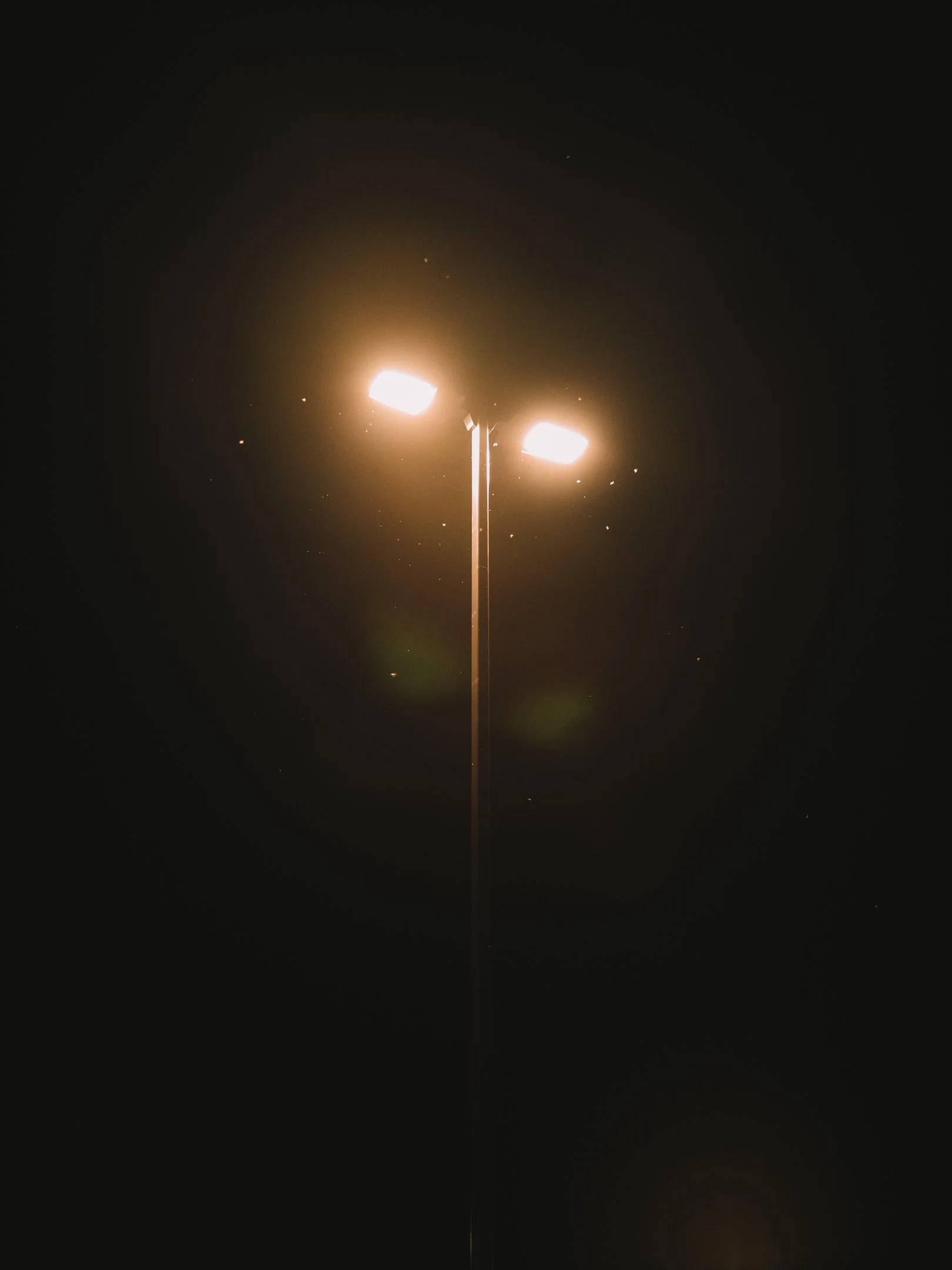
Image quality verdict: sharp in the center at all apertures, bokeh that varies wildly based on position in frame and aperture, lending an interesting character to wide open shots. Slight bloom around light sources near wide open. LoCA presents primarily as green fringing in backgrounds near wide open apertures. Guitar pick bokeh characteristics might be undesirable for shooters looking for consistent bokeh across the frame.
Quality Control
Let’s get the hard part out of the way first. In the intro of this review, I talked about my experience with the AF 75 and how its faulty original rear element design seemed to have made its way to my first AF 40 review copy. The hard vignette effect was once again more noticeable on my Zf and somewhat less noticeable on my Z9, inclining me to believe that the same culprit (faulty rear element) was at play. I immediately reached out to TTArtisan with my findings and suspicions, as well as video showing some very inconsistent autofocus behavior including really bad false positives that led to highly out of focus images. After some back and forth, I was told that the rear element design was fine and perhaps I simply had a bad copy of the lens.
While waiting for my replacement lens, I starting watching YouTube reviews and found that several reviewers had copies that exhibited the exact issue, including on other mounts such as Sony. I started conversations with these reviewers on the issue and found the results to be highly inconsistent in practice. This indicated to me that there is some level of “lens lottery” in play here…there seems to be a non-insignificant chance that you get a dud that will need to be replaced, which has been confirmed by further conversations with customers online since release.
After about a month, I received my second review copy which immediately worked better out of the box. The second copy’s serial number shows that it is actually slightly older than my original malfunctioning unit, so I have to believe they have the same exact rear element design.
So what do I make of this whole situation?
TTArtisan is a Chinese manufacturer making a $169 full frame auto focus lens. If you get a good copy, you get more than you pay for in terms of performance and IQ, but there is a chance that you will need to swap your lens to ensure you get a good copy. There have also been some disturbing reports on Reddit of these lenses having their AF motors stop working, and the official fix from TTArtisan is a video that demonstrates hitting the back of the lens with an open palm until the AF motors work again…there is a level of amateur-hour comedy at play here. Increasingly, TTArtisan’s brand is evolving to “a great lens at a great price…if you get one!” and that is disappointing to me. They clearly have the ability to make good lenses…I’ve reviewed 2 of them now, but had to receive 4 lenses to make that happen.
Quality control verdict: I don’t see much quality control happening from TTArtisan with this line of AF lenses. You will have to make a conscious decision to buy this lens, knowing it may require a return/replacement for a good copy. In that vein, I would highly recommend buying from a local retailer instead of TTArtisan directly, as returns will be much easier to deal with.
Conclusion
Like I said in the byline of this review…is this THE lens to pair with the excellent AF 75 for a small, lightweight prime kit for your small Nikon Z full frame camera? If you want an autofocus lens with an aperture ring, yes…there are simply no other good options at the 40mm focal length as of early 2026.
The AF 40 proved to me that it can withstand the rigors of being the “daily driver” while delivering lovely shots. I had no regrets taking it as my primary lens on multiple trips. The lens feels great in hand. The aperture ring is a delight to use. The tactile style of shooting with this lens is better than anything Nikon themselves offer.
There are significant optical caveats with the AF 40 that the complementary AF 75 does not exhibit, which is disappointing. I found the AF 75 to be an excellent performer at all apertures with more consistent bokeh characteristics. The AF 75 also lacks the softening/bloom effect the AF 40 possesses. Where the AF 75 was a no-brainer recommendation, I hesitate more with the AF 40.
In general, these lenses feel like they were cut from different cloths despite looking similar on the outside and don’t feel like a matching set when it comes to output.
When viewed in a vacuum, or pitted against the Nikon Z 40/2, the AF 40 becomes a very interesting option at its hyper-aggressive price point…character in spades with a deeper feature set than even Nikon’s native option.
I have to commend TTArtisan for stepping in and helping fill a huge gap in the Nikon Z ecosystem with these AF lenses and hope that their success pushes Nikon to compete harder in this space.
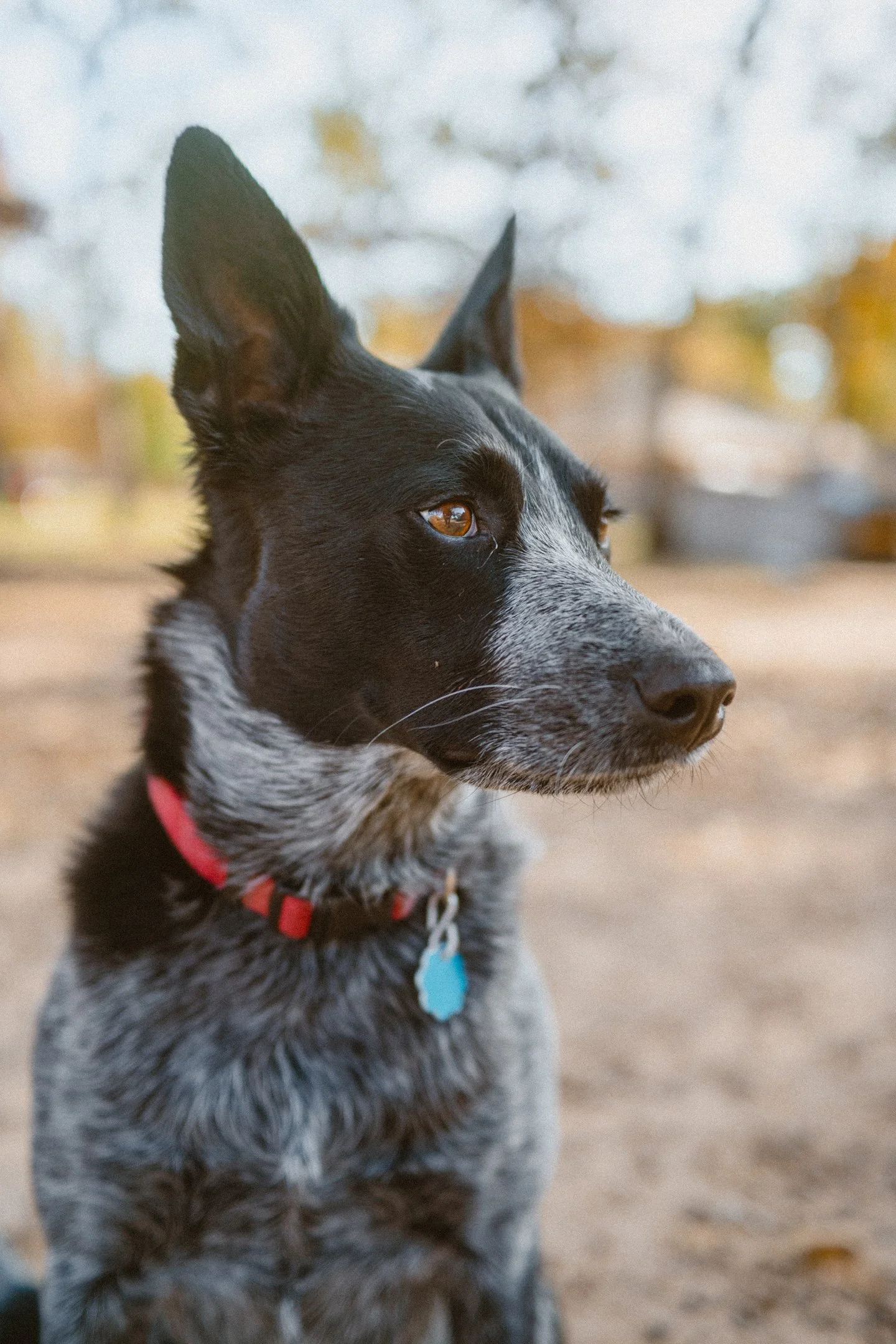
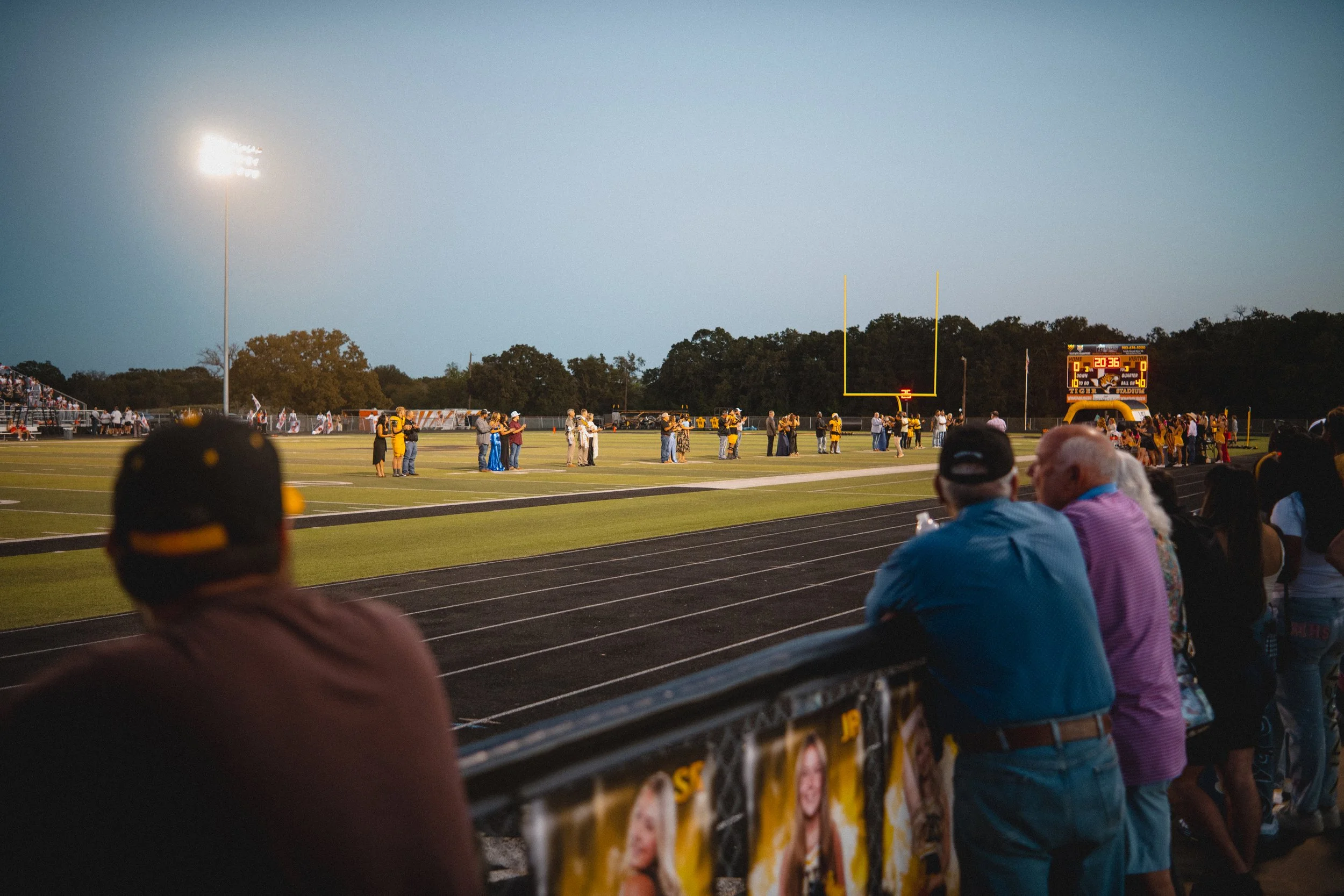
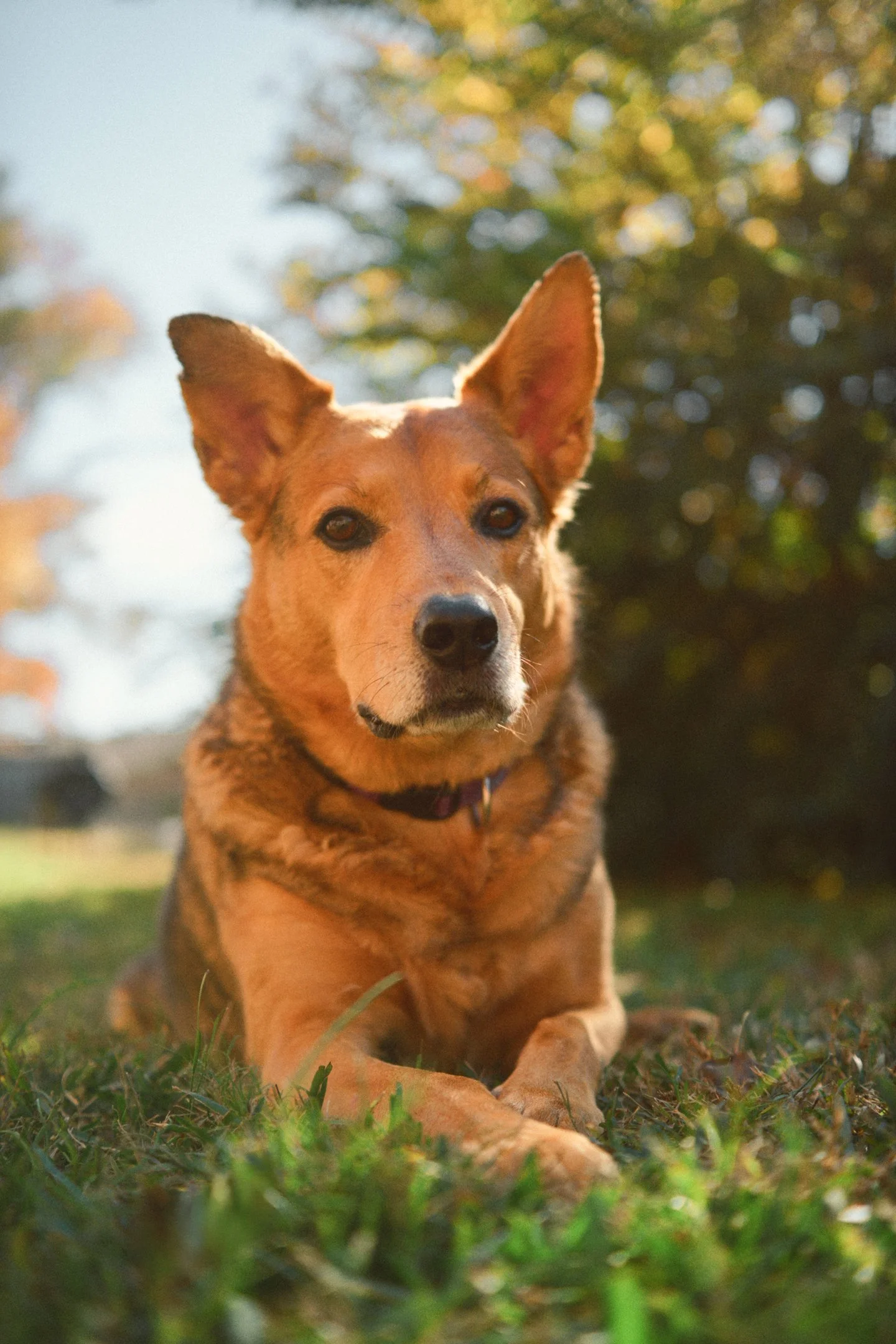
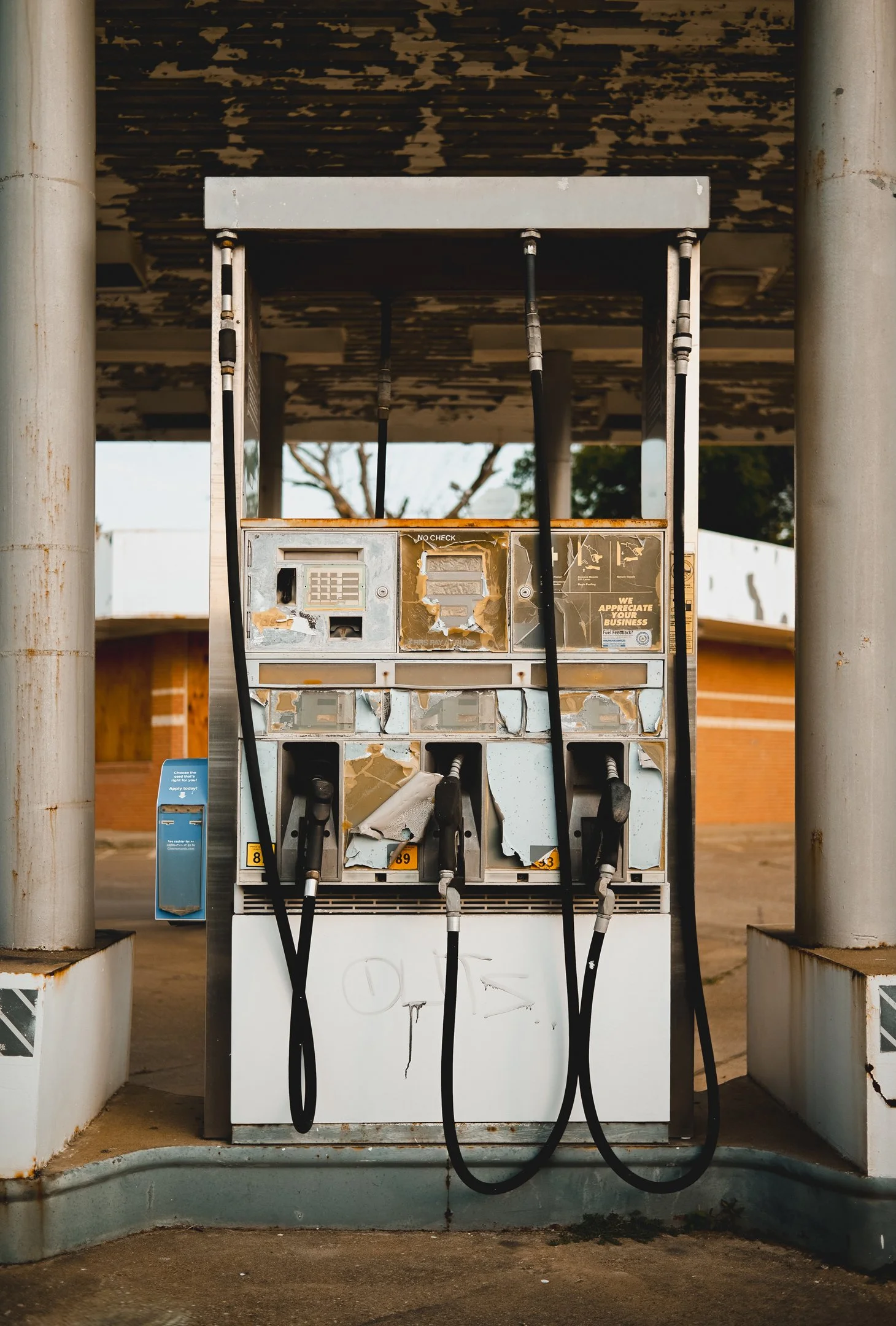
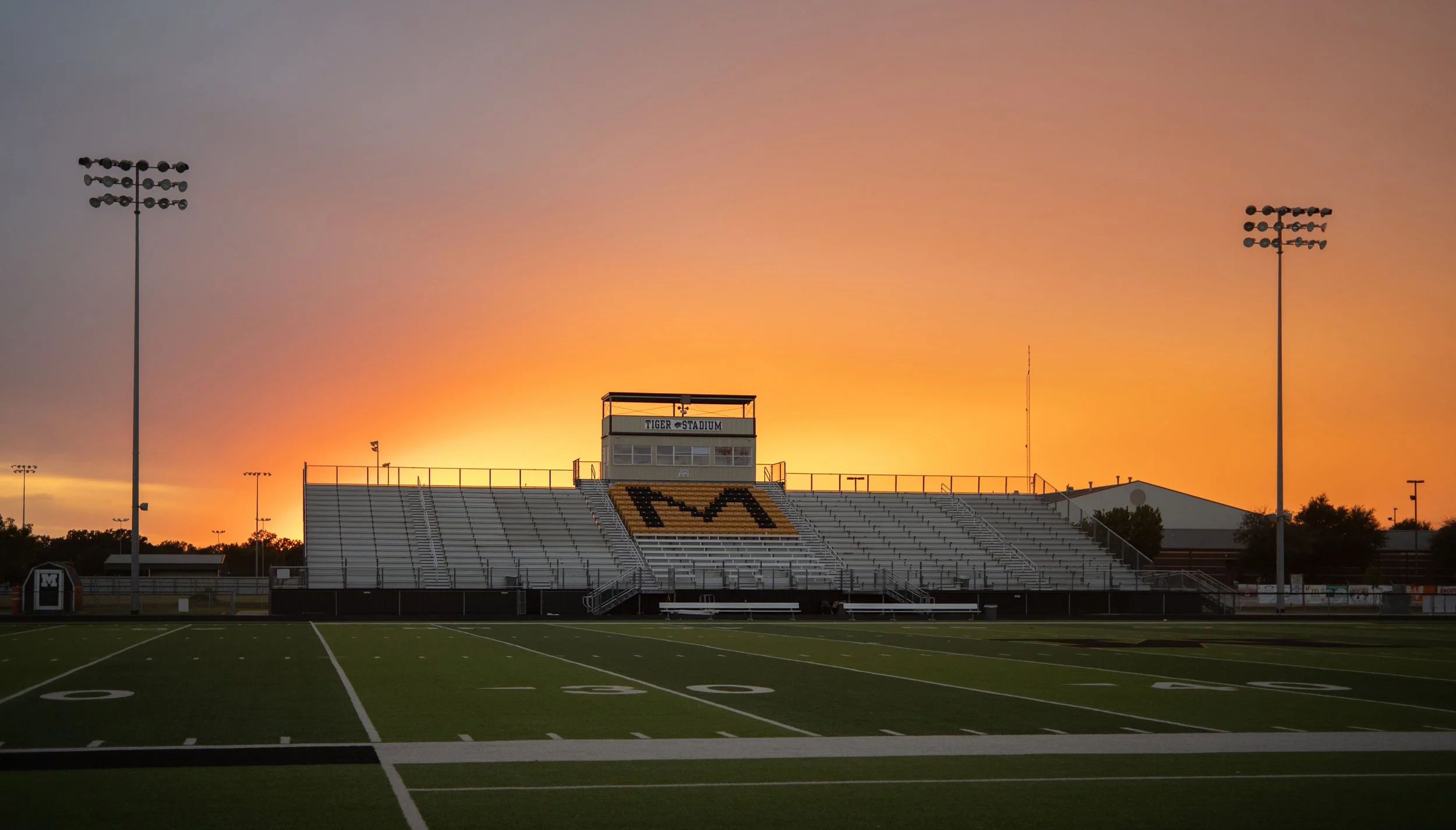
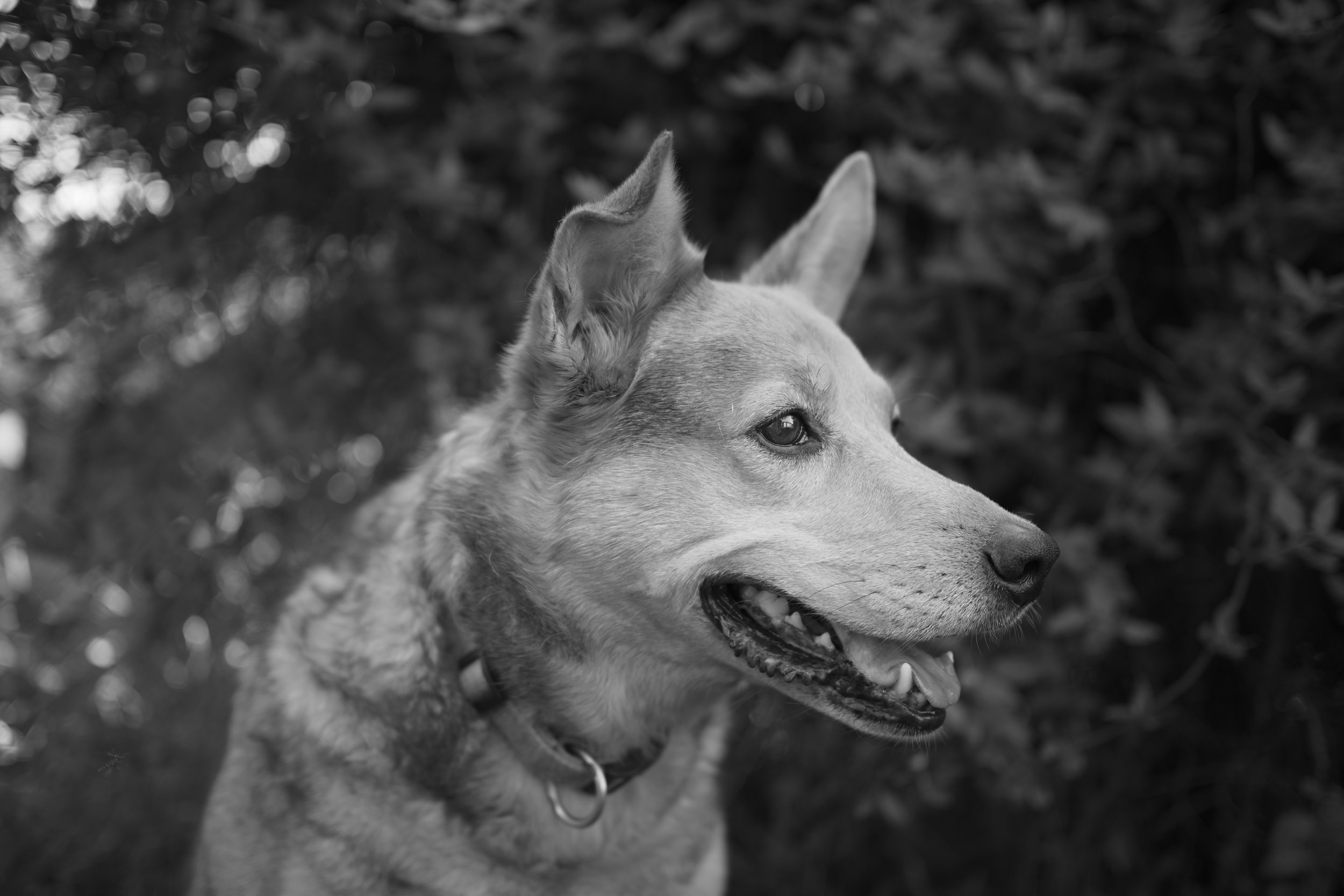
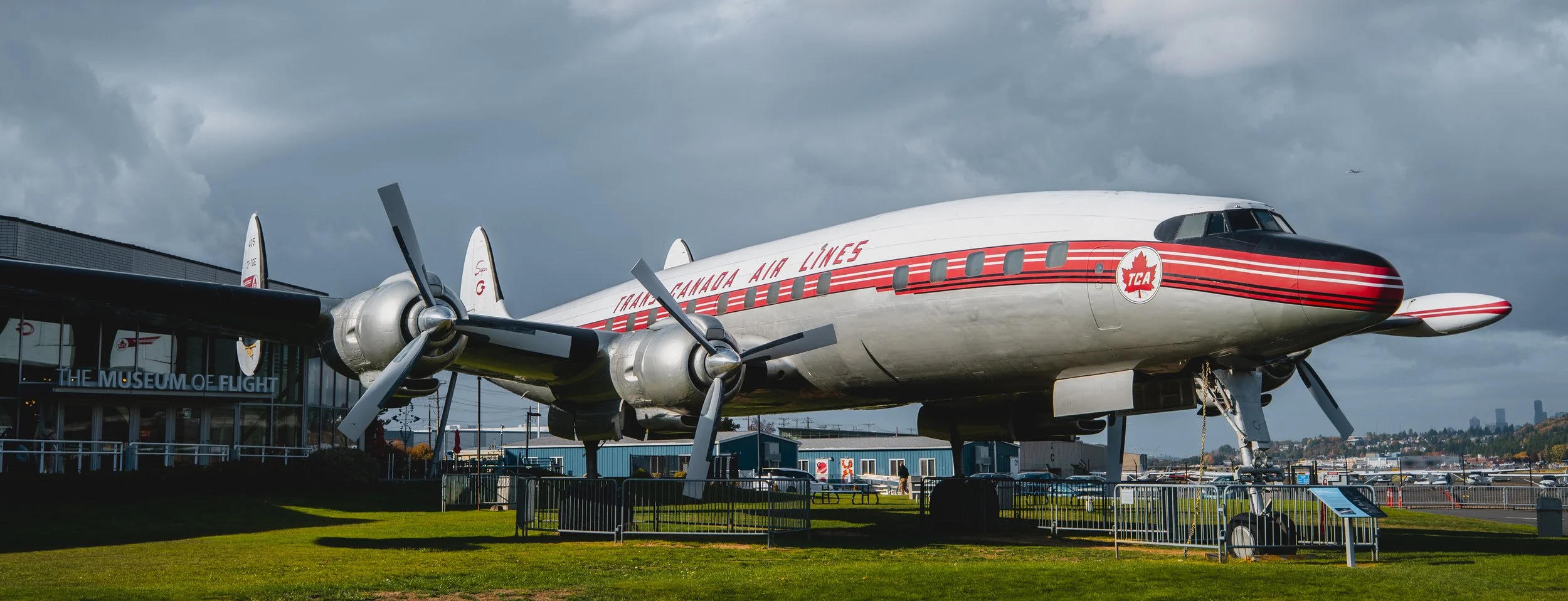
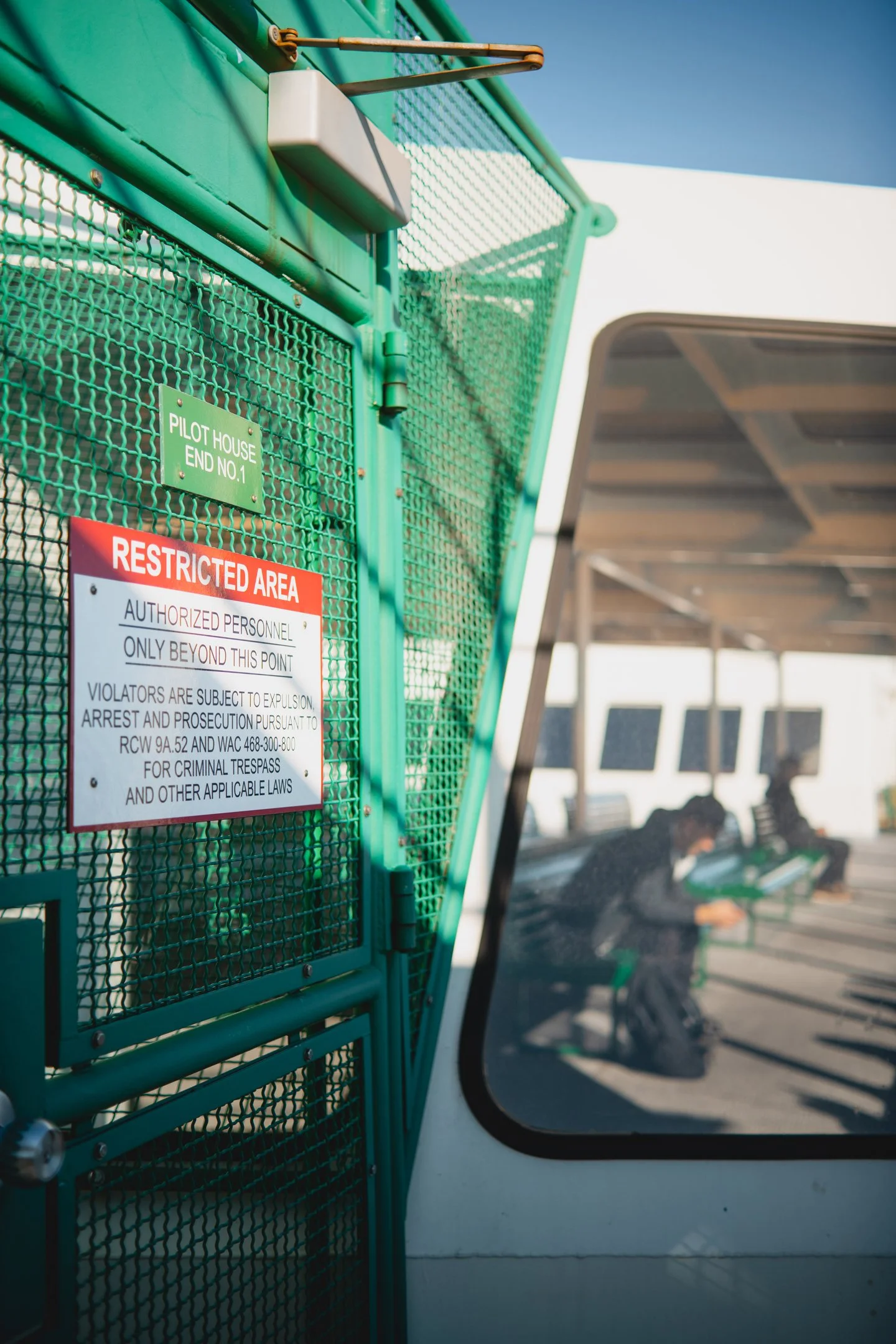
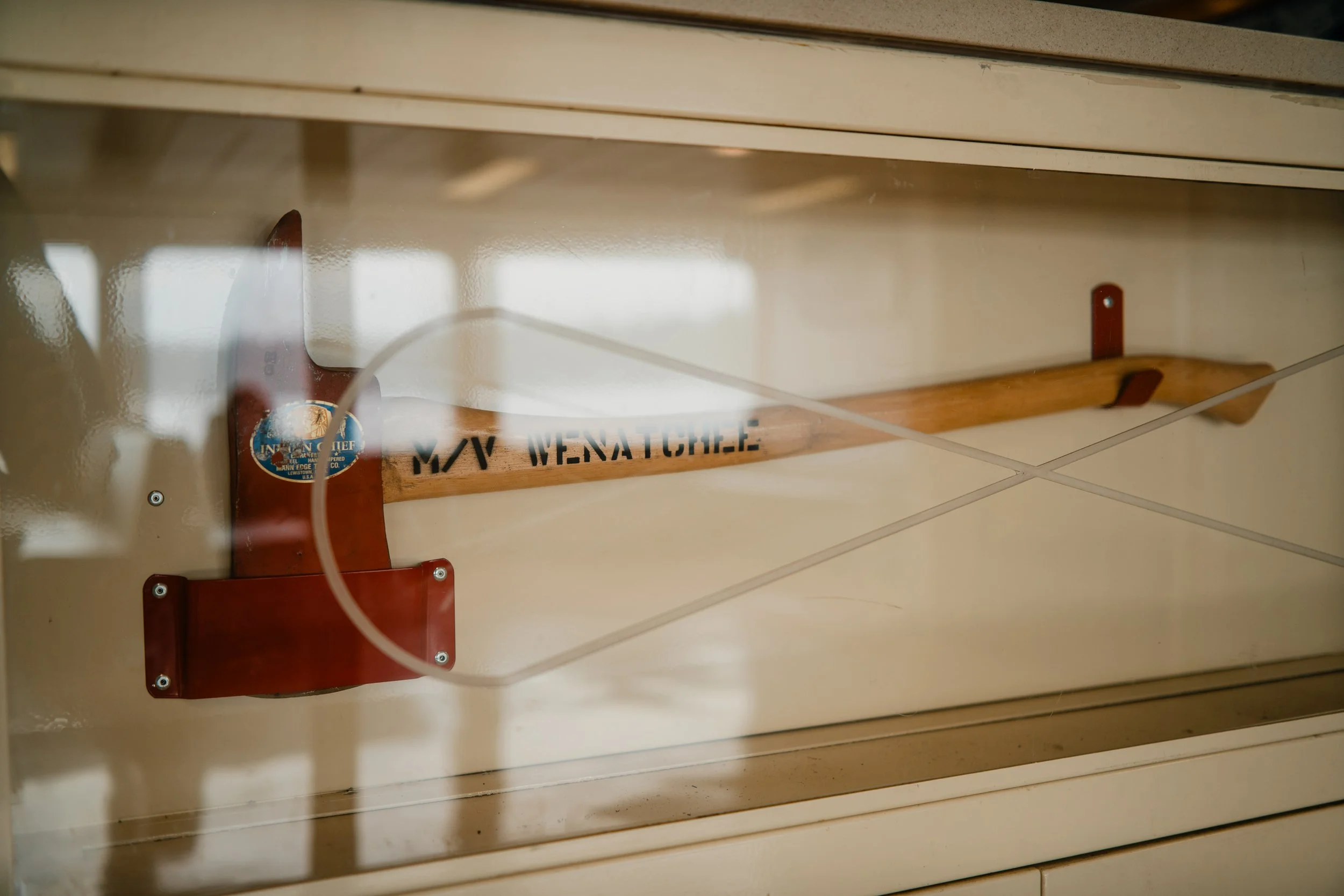
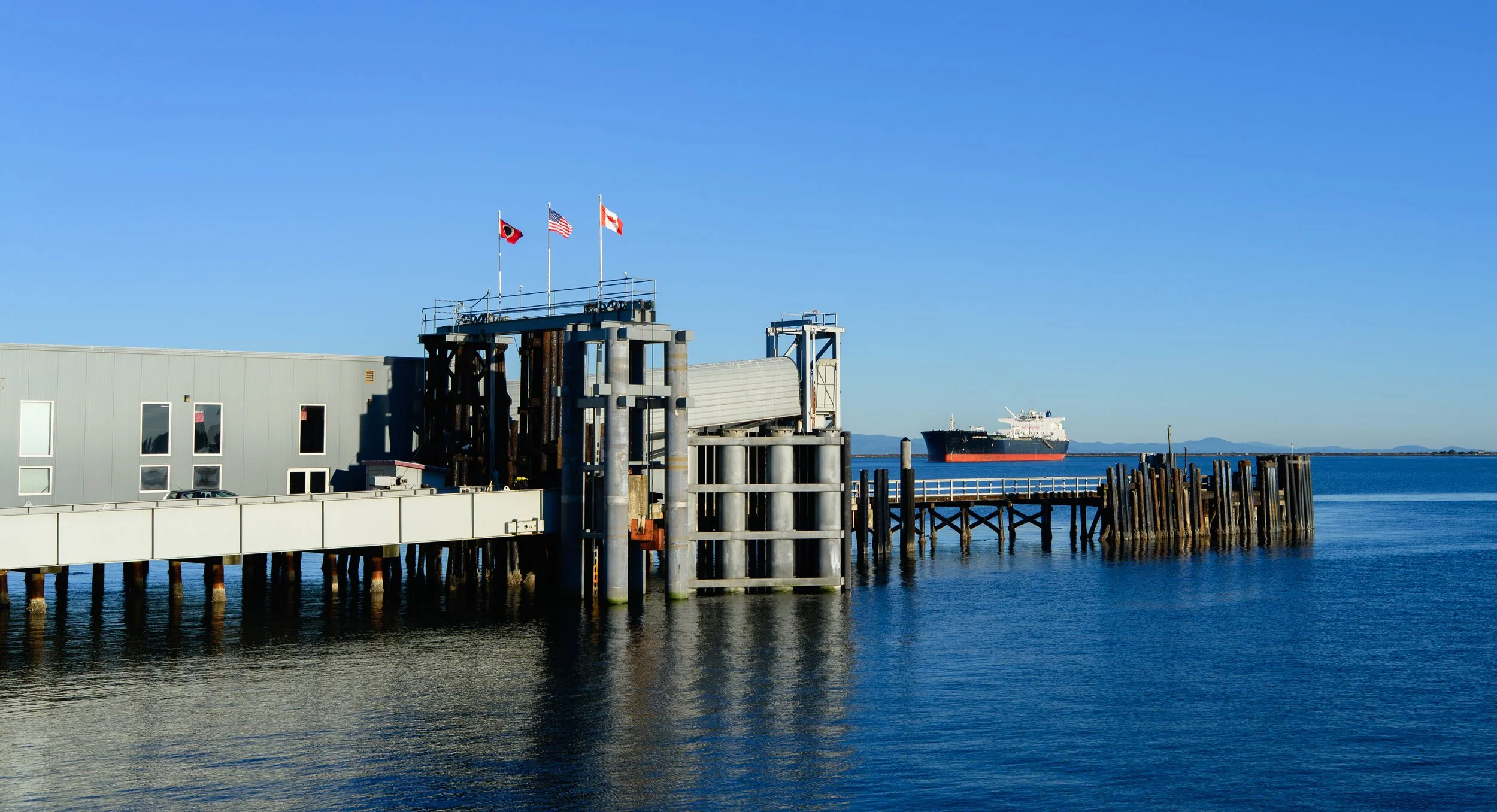
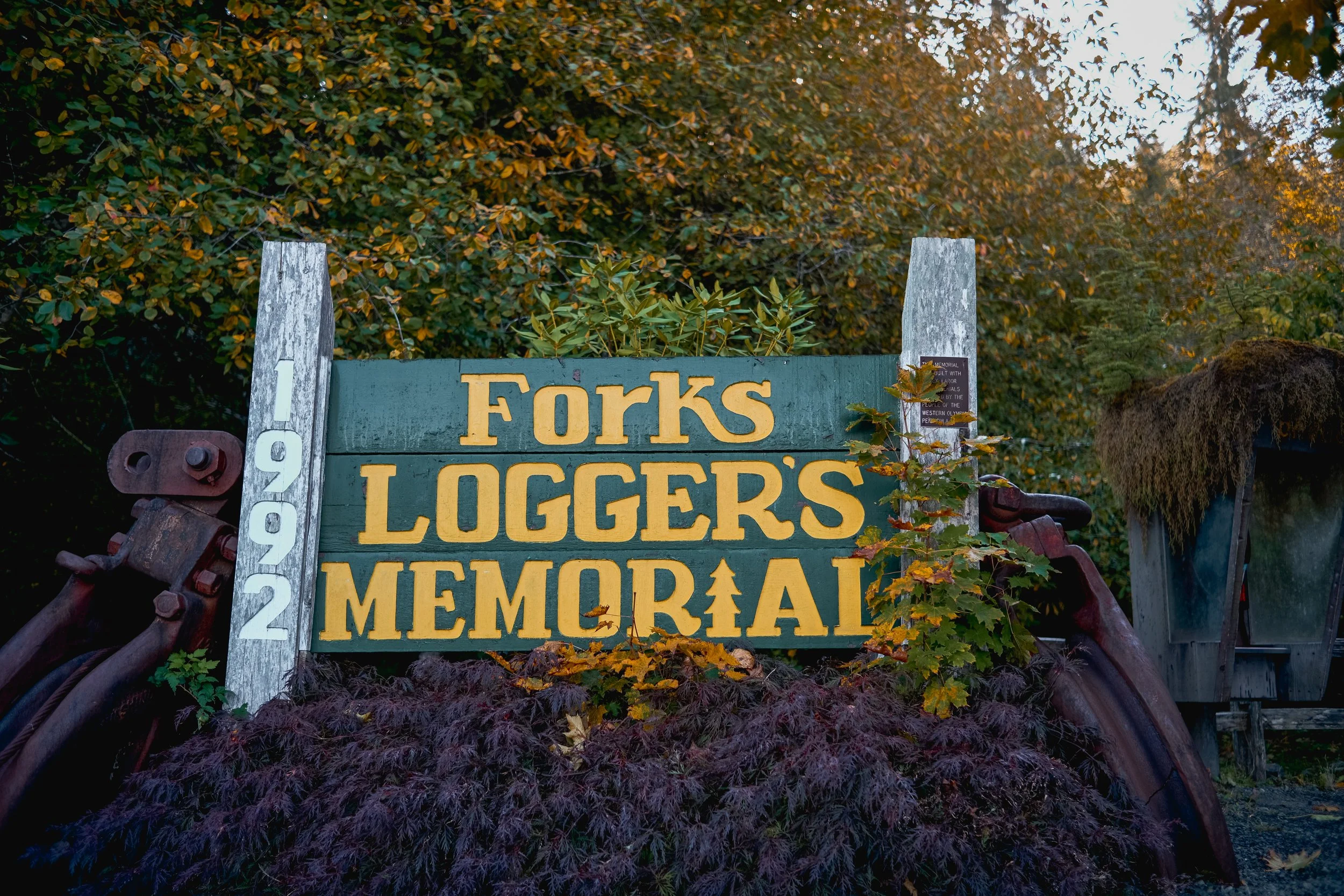
Below is a gallery of my favorite shots from the AF 40 while reviewing it for the last 6 months.
As always, I appreciate you reading my reviews. If you found this helpful, please consider buying me a coffee with the button below so I can fuel up and bring you more content like this.
-Scott