Review - ArtraLab 35mm f/1.4 Nonikkor-MC 1960s for Nikon Z
Nothing but a pretty face
Disclosure: this lens was provided for review free of charge from ArtraLab, and they have not had access to this review before publication. This review may contain affiliate links for this lens and other accessories.
First things first…this review is LONG overdue. ArtraLab provided a copy of this lens to me in late 2024 and here we are, almost into Q2 in 2026. That is on me.
But you know what? That’s also on this lens.
I don’t think I have ever had a piece of gear in my cabinet that I have been so thoroughly uninspired to use. You would think after 15 months, I’d have some work to show for that time, but no…in fact, quite the opposite. I have taken this lens out so few times because am consistently frustrated by it and the images it produces…the way it feels during use…and the gnawing feeling that I’m going to miss an opportunity for a GREAT shot only to have it irrevocably ruined by such mediocre glass.
Now you have some context what for what follows.
The Lens
Price
$500 USD - click here to shop
Tech Specs
285g - 52mm filter thread - NO hood - 7 elements in 5 groups design - 10 rounded aperture blades - 13.8” Minimum Focus Distance - Manual Focus - f/1.4 to f/16 - NOT chipped for EXIF data
Build Quality and Handling
This is the only category in which this lens has any positives. Let’s go through those first.
The lens body is made from a metal combo of aluminum alloy and brass. The nearly 300g of weight comes from this metal, and the lens is heavier near the mount than it is at the front element. I have found that 250-350g is the sweet spot weight for any lens on the Zf to achieve a very nice balance, and the Artralab is no exception. In every aspect from the exterior markings, the designs of the textures, and the feel in hand, this is a lens that feels like it really did get plucked from Nikon’s back catalog of F glass, and aesthetically, it is one of the most attractive lenses I’ve ever mounted on my Zf.
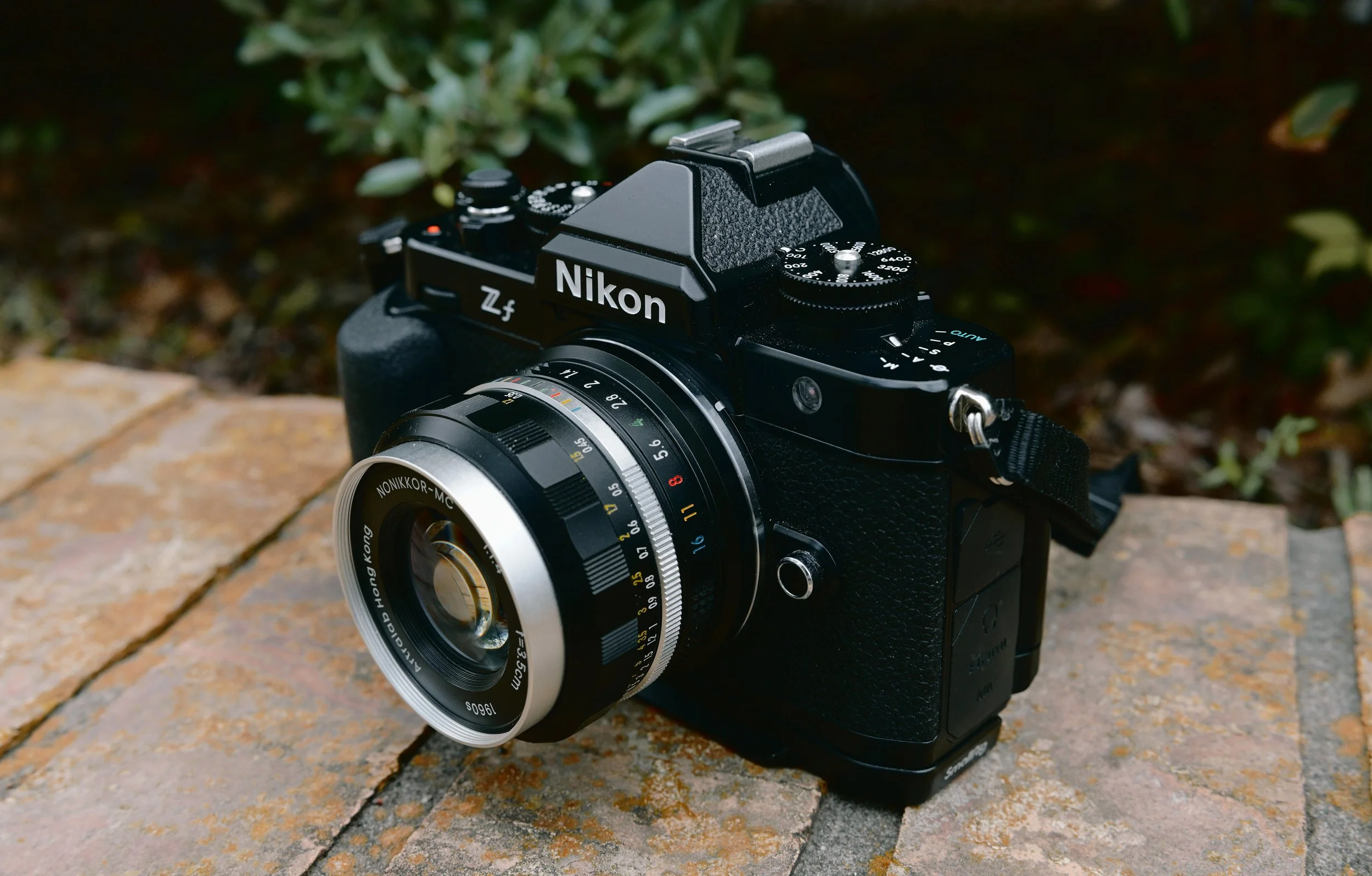
It is also one of the few lenses to understand that you need to have the non-moving grip element of the lens be slightly taller/wider than the rest of the barrel, so that you aren’t turning the focus ring or aperture ring when mounting and unmounting. A very thoughtful touch.
And that’s it. We’re done with positives for the rest of the review.
When unmounting, the lens tends to “catch” almost every single time, as if the mount bayonet isn’t machined quite right to the Z mount shape. Often this requires some jiggling and back and forth wiggling of the lens for it to free up. Not great.
The focus ring, which IS knurled and shaped into distinctly vintage Nikon scallops, is one of the worst feeling in action of any manual focus lens I’ve ever used. It feels as if there is a level of friction between the ring itself and the extending barrel underneath it. You can hear a soft scraping sound with every move of the ring. The ring is also a little too easy to move by just grazing it, and with the unforgiving optics, it’s easy to knock the lens out of focus by barely touching it.
The aperture ring is the worst part of the handling, as it’s VERY close to the mount and just not quite thick enough to get a confident hold of while shooting.
There is no rubber gasket at the mount and I would not recommend using this lens in any sort of precipitation.
This lens is not chipped for EXIF or focus confirmation, which is extremely disappointing for a lens in this price bracket.
Note: the aperture blades of this lens remain at whatever you have the ring set to. Take care not to leave the lens wide open if the camera will be powered off and exposed to direct sunlight.
Build quality verdict: On the shelf or mounted on the camera, this is a beautiful lens. Once the camera turns on, the experience of using it falls apart. It feels hefty and premium, but the images it produces contradict that thesis.
Manual Focus
As mentioned above, the visceral feeling of manipulating the focus ring on this lens is not pleasant. There is no confidence in the way it moves or settles, and the friction-y feeling between the ring and barrel really takes me out of the zone while using it.
Because this is such a soft rendering lens, it is imperative that you are using every focus aid at your disposal. On the Zf, that means using a combination of magnification and focus peaking. However, this lens is SO soft at wider apertures that I had times where no focus peaking dots appear because nothing is actually in focus. This is pretty wild, given that the direct marketing language from ArtraLab is as follows:
Achieve stunning depth of field and beautiful bokeh with the wide f/1.4 aperture. This feature not only enhances your creativity but also excels in low-light situations, ensuring your images remain sharp and vibrant.
Sharp at f/1.4? Not in a million years, as you’ll see soon enough.
Manual focus verdict: Turning the focus ring feels offputting, and it’s not precise enough to offset how soft the lens is. You will almost always overshoot focus 2-3 times before you settle into it. No focus confirmation is highly annoying at this price.
Image Quality
It’s bad. Now look…some people on the internet will defend this as a character lens, saying that it’s SUPPOSED to be dreamy and “vintage”, hand waving away the flaws, but I call bullshit. Below are two more bits of marketing pulled directly off of ArtraLab’s listing:
• Exceptional Build Quality: Crafted with precision, the Artralab 35mm f/1.4 Lens features high-quality glass elements that minimize distortions and aberrations. This ensures crystal-clear images with rich contrast and color fidelity.
• Optimized for Nikon Zf: Tailored for the Nikon Zf, this lens provides seamless integration and performance, making it an essential tool for photographers who demand the best from their gear.
Here we are being told that this lens prioritizes sharp, clear images with little distortion while also being a lens that provides performance for the most demanding Nikon photographers.
Judge for yourself:
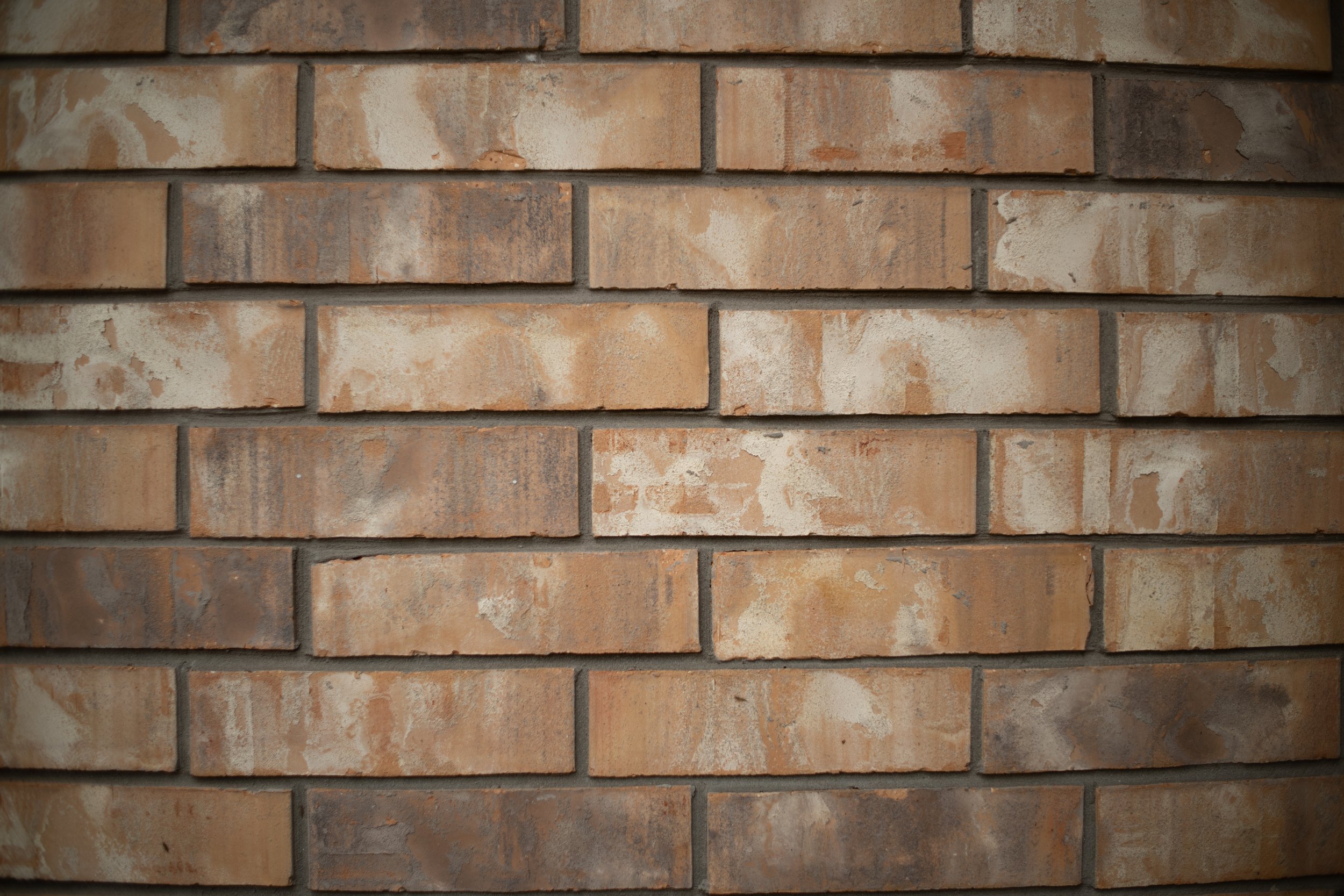
Nikon Zf at f/1.4 - extremely strong vignette, almost nothing in focus in the center of frame, and massive distortion that requires a +7 correction in Lightroom
If you have read any of my other reviews, you know I hate shooting brick walls, but I had to make a point here. This lens does not operate as advertised. So perhaps I got a dud? Unlikely, as the image actually DOES clean up…it just requires you pushing all the way to f/11:
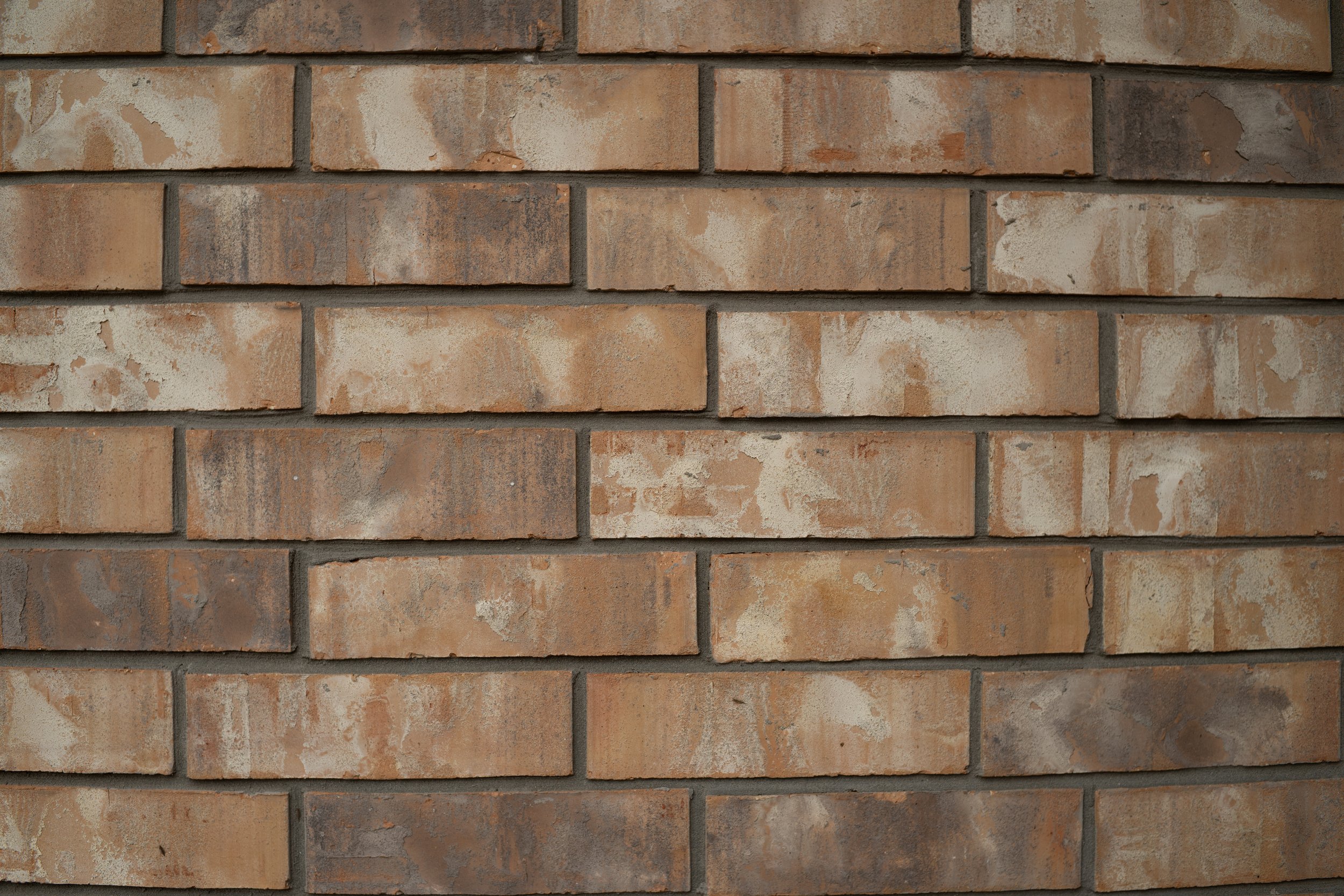
Nikon Zf at f/11 - vignette is gone and the lens achieves its best balance of edge to edge sharpness and light transmission
In this brick wall test, I found that the lens isn’t optimally sharp until all the way to f/11, usually far into diffraction territory for other lenses. The image sharpness at f/8 was entirely disappointing. Stopping down from wide open has extremely little effect on anything but vignette until f/4, where you can FINALLY start to see the image start to sharpen up. You aren’t buying a lens like this to shoot it at f/4, though.
This lens is also marketed specifically for its “Low Reflective Multilayer” coatings. What these coatings are actually doing in real life is anyone’s guess, as this thing is an absolute flare machine.

A wild, yet typical, combination of sunstar, veiling, and ghosting flare all showing up to the party at the same time
As mentioned earlier, it’s pretty common when shooting at f/1.4 to have no area of the frame quite in focus. You CAN use this to your advantage if you are posting small images online where a lack of critical focus won’t be easily seen, but for anything to be displayed larger, it’s a constant annoyance.
The flipside is the bokeh of this lens can be quite nice in certain conditions.

At the same time, a background with lines moving at different angles can induce a dizzying busyness to the image. A bit of swirling effect can also be seen.

The bokeh devolves into cat eyes with onion ringing quite often. It’s very likely your satisfaction with how this lens renders will come down to how tolerant you are of this type of bokeh.

And so I’m back to this thought…if this lens doesn’t truly sharpen up and fly right until f/11, I’m simply never using this lens at any other aperture beyond f/1.4…it has its one party trick, and you’ll either like that or hate it.
Image quality verdict: Tragically soft until f/4, not truly cleaned up until f/11. Wide open can present some pleasing or unpleasing bokeh depending on what is in the background. Certainly worse image quality than I’d want from a $500 unchipped lens.
Conclusion
Truly one of the most disappointing pieces of glass I’ve ever mounted to a camera…the promise of quality implied by the look and heft of the lens is undone at first glance at the images it produces.
Let it be said, we are truly in the age of folks enjoying “devolved” image quality, and what I find unattractive about the images coming out of the Nonikkor might be right up your alley. You might want soft portraits that require no extra softening in post processing, and that is certainly one use case where I can see this lens finding some utility.
For me, though, there is simply too much high quality glass for Z mount today to be futzing with a lens like this for everyday shooting. Give me a lens that has some character wide open but that cleans up by f/2.8 and becomes an outright knife by f8 instead (your Voigtlanders and Thypochs, for instance).
Below is a gallery of shots from the Nonikkor, including examples of the flaring and starbursts discussed in this review, viewable in full screen mode.
As always, I appreciate you reading my reviews. If you found this helpful, please consider buying me a coffee with the button below so I can fuel up and bring you more content like this.
-Scott