Review - Viltrox AF 35mm F1.8 EVO for Nikon Z
The EVOlution of “normal”, but is it the APOgee of value?
As a bonus to my readers, use coupon code SCOTTTUCKER at the Viltrox store for extra 10% off - click here to shop at Viltrox
Related articles:
Viltrox AF 26mm f2.8 EVO first look
Viltrox AF 28mm f4.5 Chip review
Viltrox AF 55mm f1.8 EVO review
Disclosure: this lens was provided for review free of charge from Viltrox, and they have not had access to this review before publication. This review contains affiliate links for this lens and other accessories.
It’s undeniable…I’m a 35mm guy. I’ve dabbled with 28mm, I’ve had trists with 40mm, and I’ve even taken 50mm around the block a few times, but I keep coming back to 35mm as my prefered “normal” focal length. It’s wide enough to provide context of the environment, and it’s tight enough to allow for some nice bokeh if your lens is fast enough. It’s run and gun, but can easily be intentional as needed…in short, I “see” in 35mm and creating images with 35mm lenses is something that feels natural to me.
As such, I have run through my share of these lenses between brands and systems, and in my current Nikon Z kit, this is no exception. Viltrox must have sensed me as easy prey, as they offered to send me their new 35mm F1.8 EVO for testing, an offer I gladly accepted.
The promise of this new EVO line lies within its complex new optical design, optimized for eliminating pesky chromatic aberration while providing a sharp image all the way down to F1.8. Does this new design live up to the marketing? Let’s go through it.
The Lens
Price
$395 USD MSRP, 10% off until April 26, 2026, use coupon code “SCOTTTUCKER” for extra 5% off - click here to shop at Viltrox — B&H — Amazon
Tech Specs
350g - 58mm filter thread - 13 elements in 10 groups design - 9 blade aperture - 13.4” Minimum Focus Distance - Stepping autofocus motors - F16 minimum aperture - AF/MF switch - Aperture declick switch - Custom Fn button - Dedicated aperture ring - Rubber gasket at mount
Build Quality and Handling
This is my second Viltrox EVO lens for the Z, having previously tested the 85mm version, and I’m happy to report that the build quality is largely the same. The body of the lens is a solid feeling mix of metal and plastic, and the aperture ring is well dampened, even more so than the 85 EVO in my opinion. The switches on the lens have no slop and feel assured. The function button is a nice height off the lens and has a satisfying click when used. The focus ring, something I won’t use often, has a nice resistance and does not feel loose or too easy to accidentally turn too far.
The lens has a center of gravity slightly closer to the mount side, and as such balances well on smaller bodies like the Zf. The lens begins to feel small when on a body like the Z8 or Z9. I was happy to see that the Zf with SmallRig grip didn’t tip over to the front when on a table.
The lens features a substantial rubber gasket at the mount and the lens feels nice and snug when mounted as a result. It’s nice to see weather sealing in lenses at this price point!
The mount also features a USB-C port for easy firmware updates. I love this placement as it prevents the port from getting exposed to the elements like some other lenses that include them on the outside of the body.
The front element is surprisingly small in diameter compared to the overall width of the lens, and the filter threading is actually considerably inset and not the full width of the barrel. This allows you to use a fairly thick filter (looking at you, Shortstache) without the thickness of the filter interfering with the hood.
Speaking of the hood…the one glaring build quality issue for me is the included petal hood. The hood is a grade of plastic that feels beneath the rest of the lens, and the lens’ bayonet is also plastic. I have never installed a hood incorrectly as many times on any other lens as I have on the 35 EVO. If the hood is not perfectly flush with the body/bayonet points, it will essentially crossthread, and it can be tough to determine if the hood is flush while quickly adjusting in the field.
When you DO have the hood oriented correctly, if often binds halfway through mounting it, and the sound and feel of the plastic hood and bayonet rubbing and scraping against each other is disappointing. There have been several times I’ve heard a particularly nasty plastic clicking sound and thought I broke the mounting points on the hood. So far, it remains intact, but the experience of interacting with the hood is simply beneath Viltrox at this point of their engineering and product refinement.
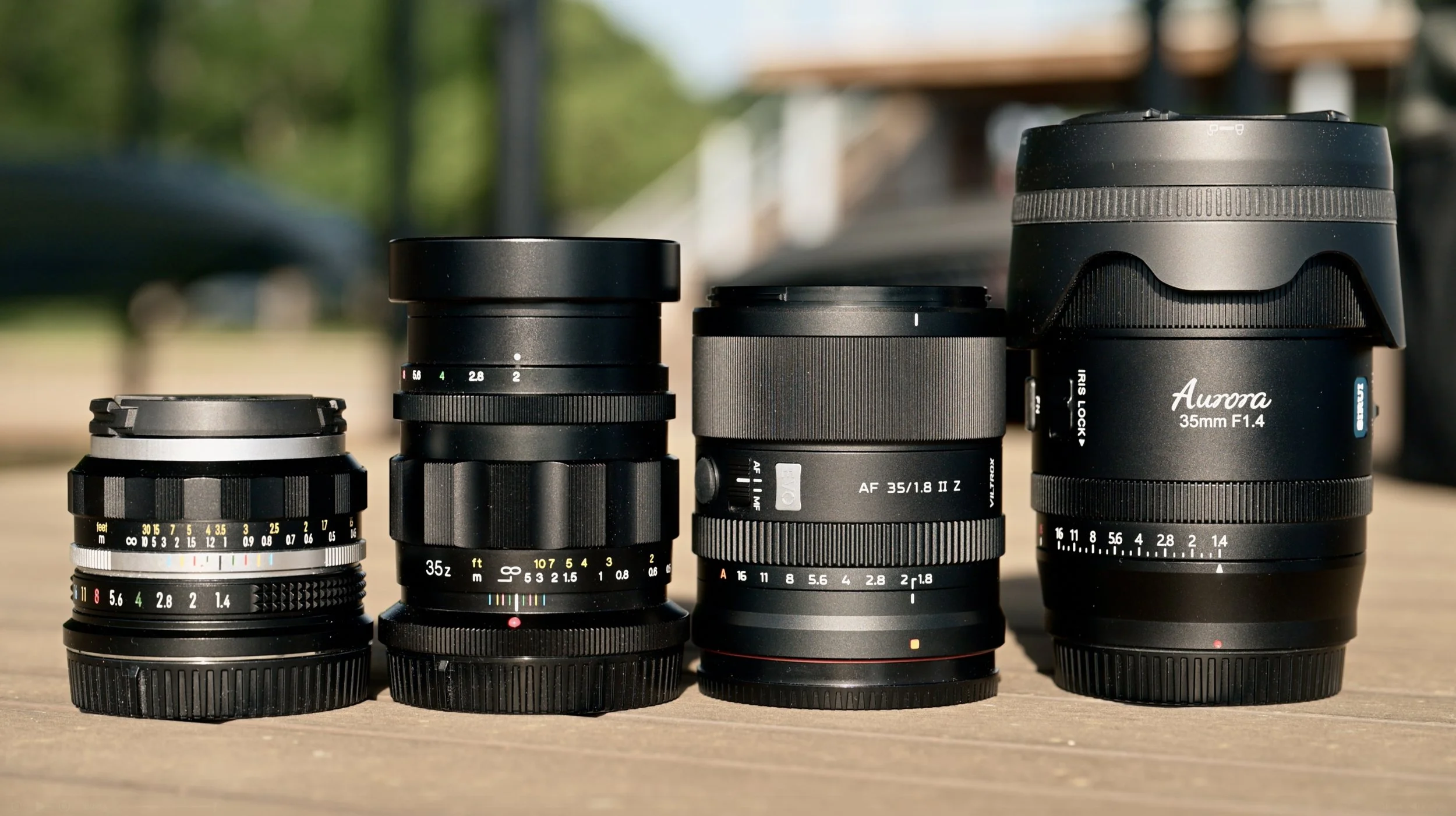
The EVO slots in nicely from a size perspective among its peers on Z mount, coming in at roughly the same length as the Voigtlander 35/2 APO
Build quality verdict: Another very well built lens from Viltrox, which comes as no surprise at this point. It includes features that many native Z lenses at this price and even at twice the price do not include. The only disappointment is the lackluster hood and bayonet design.
Autofocus Performance
As with many lenses in this price bracket, I feel most confident using it with AF-S. Focus is nearly silent and quite quick, though there are times I feel the lens takes just a bit longer to fully confirm focus than some other lenses I use. Because I have my cameras set up for focus priority in AF-S (shutter won’t fire until the subject box is green), this has caused me to miss a shot or two in what I consider very easy shooting conditions with very slow subjects.
I shot some action photos on the Nikon Z9 with a rapidly approaching runner using subject detection and AF-C and found the keeper rate to be about the same as other lenses in this class, which is to say…ok but not great. There were some shots with a face clearly visible where the focus had pulsed and totally missed, yet the shot before and after were just fine. It’s that type of inconsistency that gives me pause using a lens like this for fast action, especially if you really need to produce professional paid results.

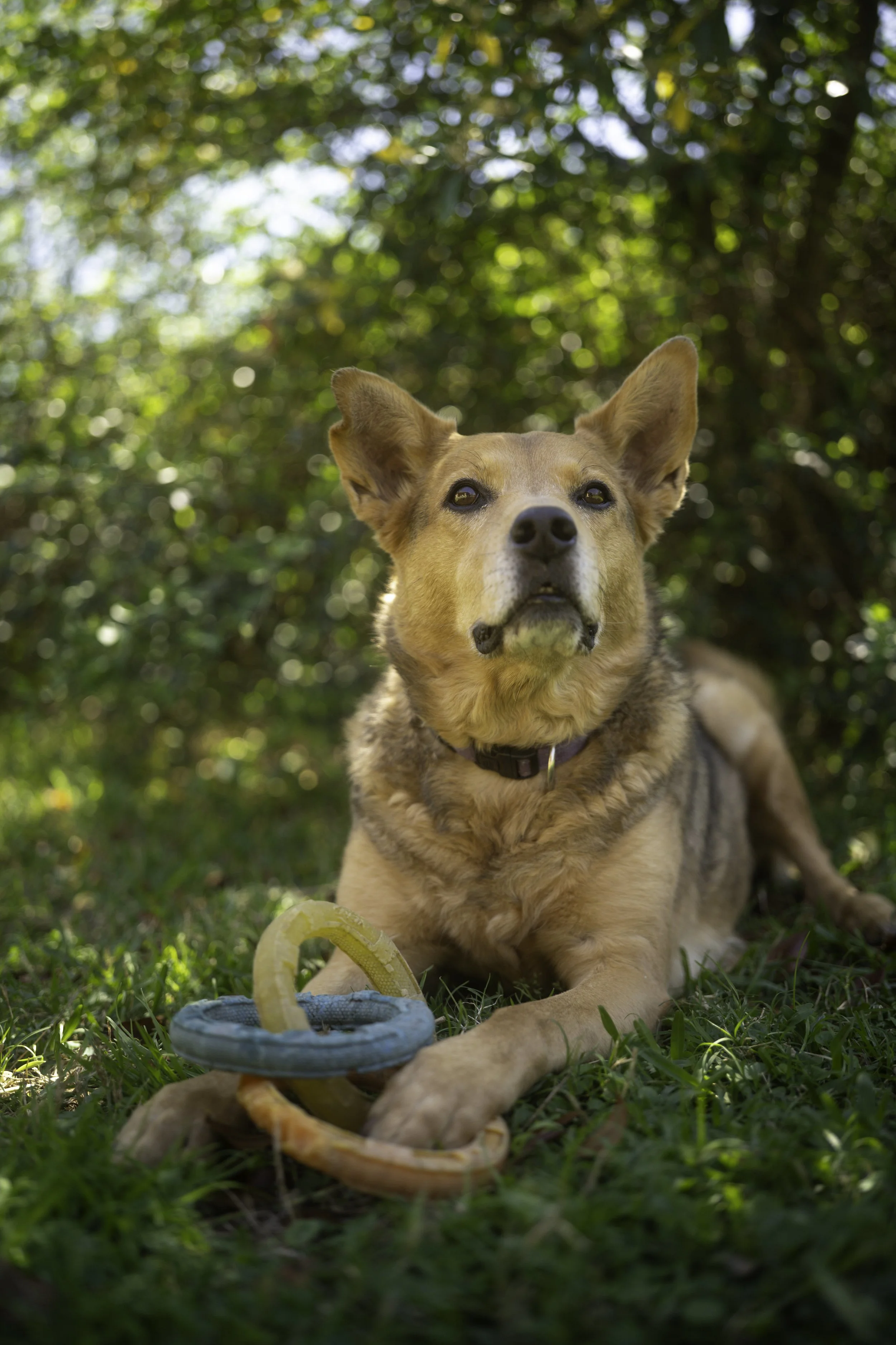
An example of a keeper during a hit-or-miss AF-C burst with the Z9

Another keeper from a so-so burst series
For video/talking head, I noticed more visible focus stepping than some of my other lenses. Even sitting in a chair moving slightly forward and back as I talked, the edges of the frame clearly exhibit “steps” instead of smoother focus transitions. There’s also a bit of breathing that happens, so the effect can wind up being distracting if it’s happening a lot. Luckily, because the STMs are so quiet, there are no audible focus noises in video footage.
Autofocus performance verdict: AF-S on mostly static subjects yields a high hit rate, including with subject detection. AF-C is reliable for slower moving subjects, but consistent AF-C for very fast moving subjects is out of reach for the stepper motors in my testing. Video AF-C at wide apertures exhibits some noticeable stepping with even minor focus adjustments. Autofocus winds up being more than serviceable with a few caveats that ultimately make performance a mixed bag.
Image Quality
This is the meat and potatoes of the EVO line, and the 85mm version set a high benchmark…its excellent microcontrast and sharpness from wide open, minimal distortion, good color rendition all make a return on the 35mm, and this time Viltrox introduces a new trick with their 3 high-refractive (HR) index lenses, 2 extra-low dispersion (ED) lenses, and 1 aspherical (APO) lens.
The result? Nearly no discernable chromatic aberration at any aperture, an exceptionally impressive feat for a lens under $400. Try as I might over the last few months, I have been unable to get an appreciable amount of fringing to appear, even at F1.8, trying chrome accents in direct light, tree limbs against backlit skies, and every other thing I could think of. Viltrox deserves hefty praise for this feat, as many recent lenses have eschewed high optical correction, taking the lazy way out and calling the resulting LoCA “vintage character”.
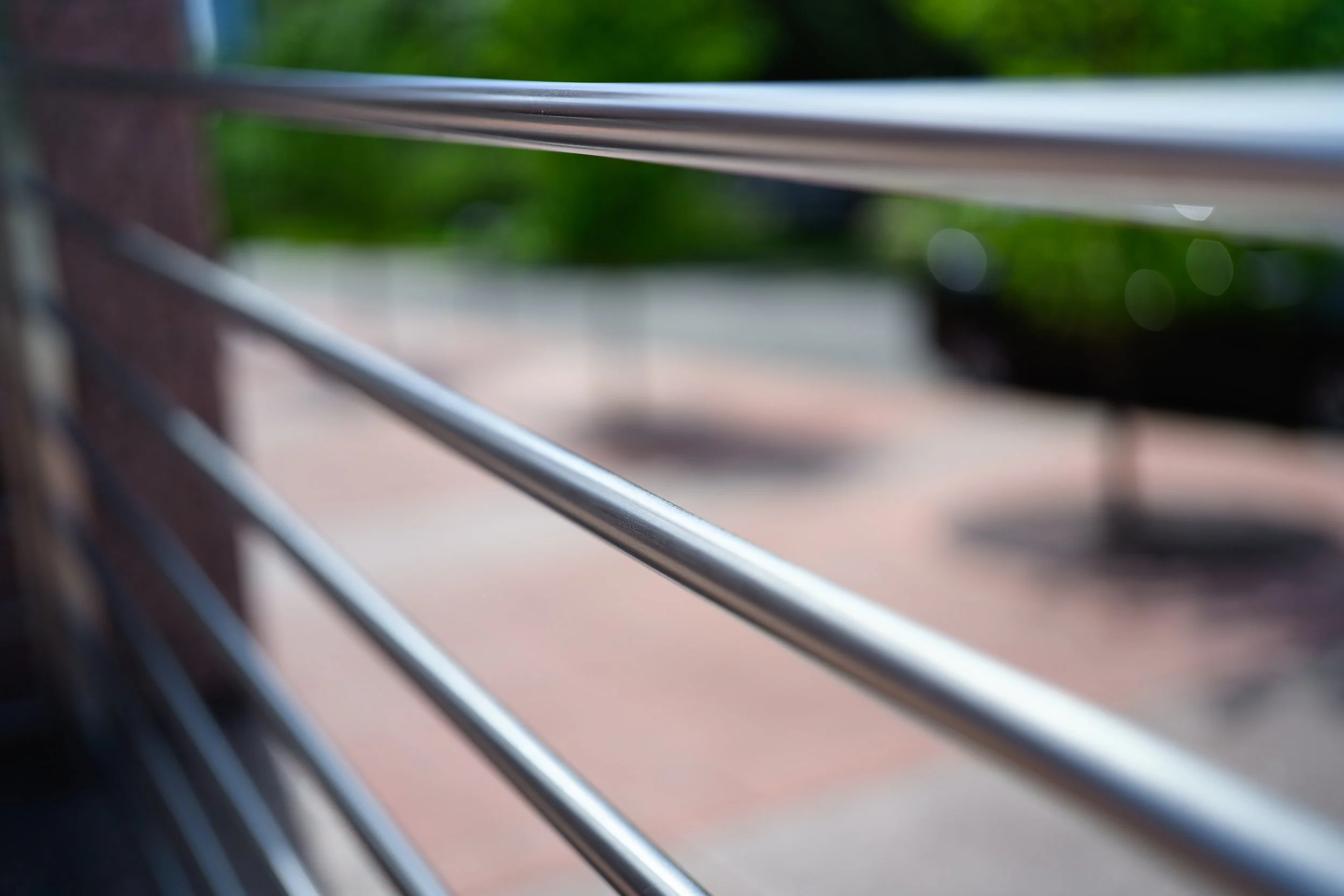
A typical stress-test for LoCA reveals no appreciable amount

No matter how much chrome I found, I couldn’t find any fringing!
Normally on a lens so highly corrected optically, we would have what we typically call “modern rendering”, meaning extreme sharpness but also predictable and round, pleasing bokeh.
What I’ve found in my testing is some of the most unpredictable bokeh I’ve witnessed in a while, and it puts this lens in a very interesting space from a rendering perspective. I can say I have never seen such a well-corrected lens behave in the way the 35 EVO does, combining excellent sharpness and total lack of LoCA with a more traditionally “messy” bokeh. It could be considered a “best of both worlds” situation if you prefer more structured bokeh without sacrificing sharpness and contrast.

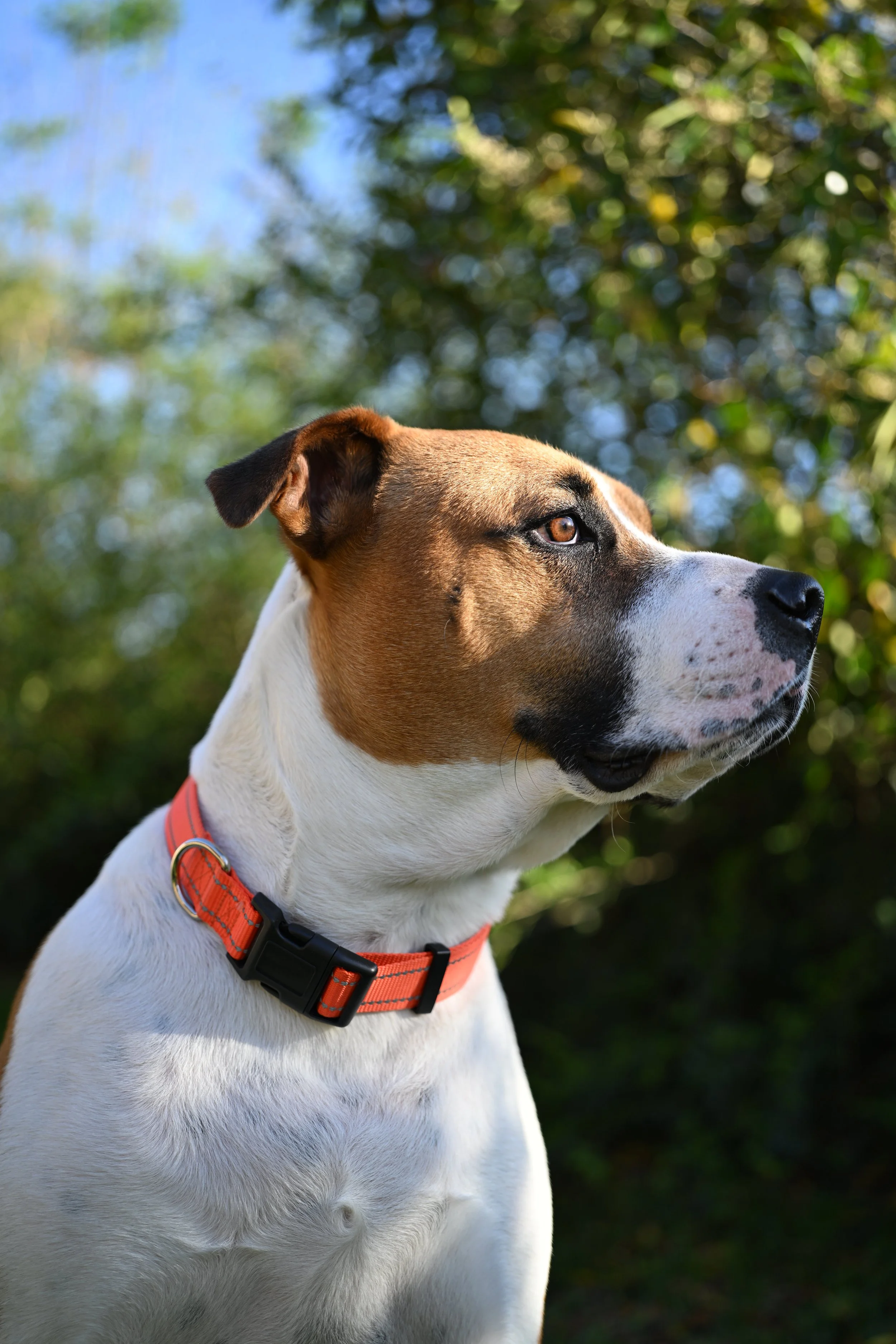
Cat’s eye bokeh is rampant wide open near MFD, though its orientation can be unpredictable
Now for the important question…do I like the rendering? Sometimes yes, very much. Sometimes no, also very much. I have come to find that if I have a very busy background (tree limbs, chain link fence, really anything with multiple lines at different angles), I would rather use a different lens for a smoother bokeh. The 35 EVO behaves much like its 85mm sibling, offering us a rather nervous and jittery background rendering even at F1.8. In fact, this nervousness was my chief complaint of the 85 EVO and why I settled on another brand for my long term 85mm lens.

Even wide open at F1.8, lines in the background can be garish, exhibiting ghosting even near center of frame
Minimum focus distance is acceptable though nothing special. You’ll get a 0.15x magnification which does not allow for macro-lite type work. Images are still very sharp even at MFD.

An example of 0.15x magnification at F4.0 - you can see there is still quite a bit of structure and jitters happening within the bokeh
Uncorrected vignette can be heavy enough at F1.8 that there appears to be a bright “hot spot” in the center of the image. The 35 EVO has an embedded lens profile that corrects for both distortion (to a very small degree) and vignette. Because the lens correction profile is built into the lens, your straight out of camera JPEGs will have these corrections applied by default, as well as having them natively available in Lightroom for RAW files.
I have also noticed when comparing this lens to first party Nikon lenses and other third party options that the light gathering of the 35 EVO is noticeably worse at F1.8 than the other lenses, and often with less effective bokeh. I’m confident in saying that in terms of bokeh and light gathering, this lens is closer to F2.0 wide open.
Example of corrections off and on below.


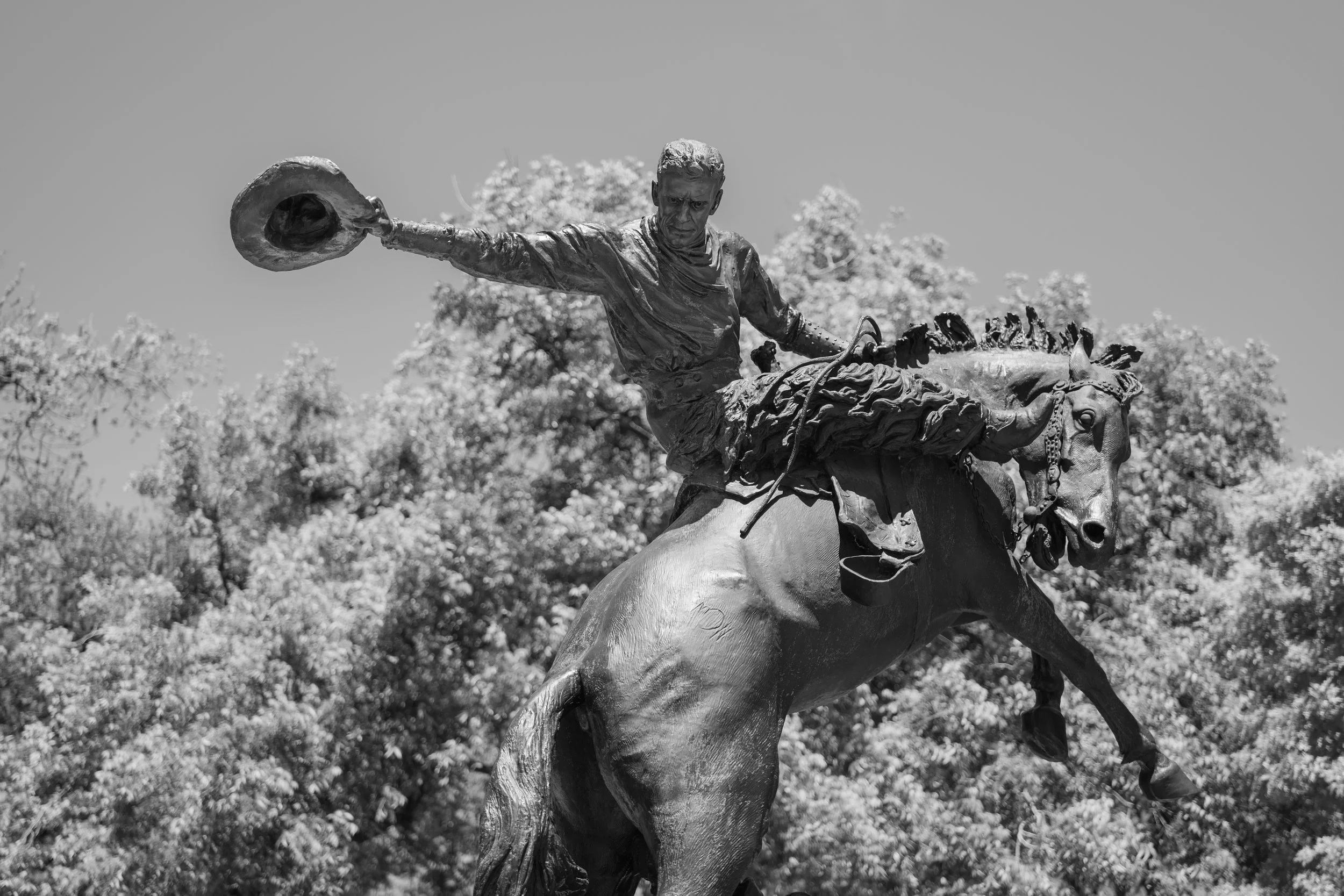
The sharpness of this lens wide open has been incredible. I have taken test images at F1.8 that I’d normally take at F5.6 to F8 to see how the lens handles, and every time, I am shocked by how evenly sharp across the frame the wide aperture shots are.
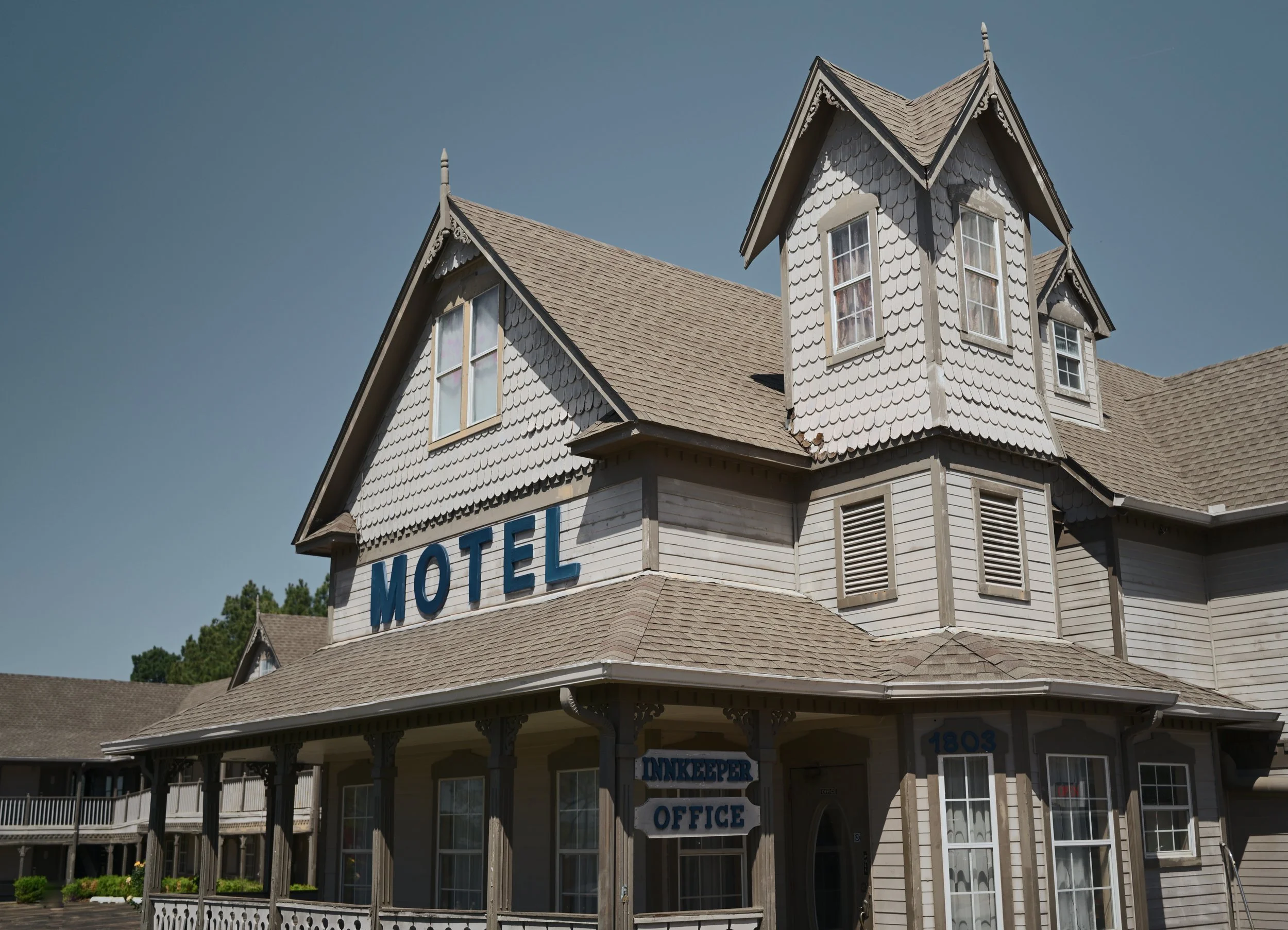
An example of wide open sharpness where bokeh isn’t a concern
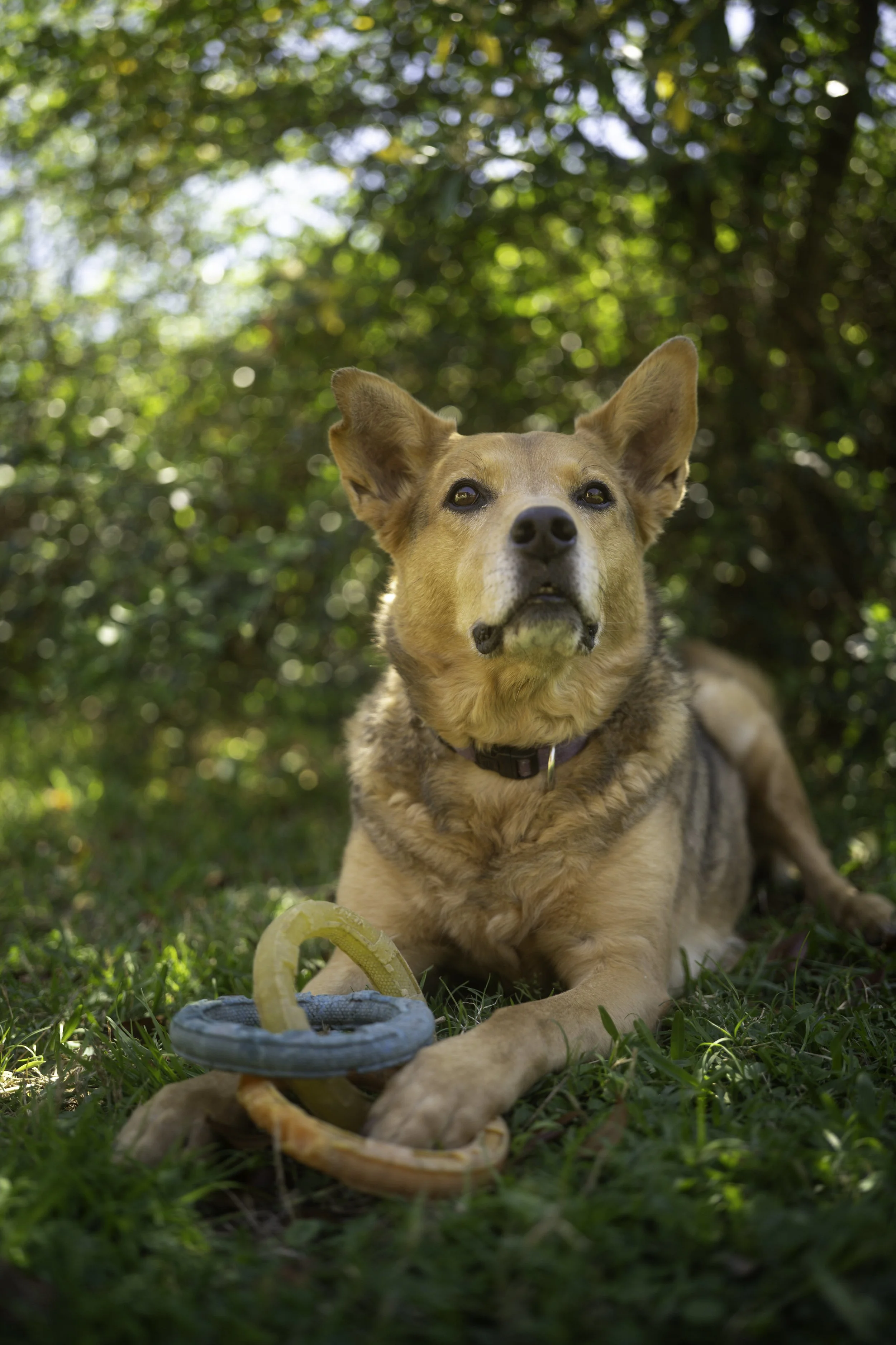
Again, wide open sharpness is sublime and the bokeh character is definitely unique!
The great part about starting with a sharp lens is there are endless ways to soften in the field or in post if you’d like. I put a 20% mist filter on and added some grain in post for a totally different, softer look and liked those results a lot too!

A stylized soft look via mist filters and grain, but look at that tree line…still devoid of fringing even open midday!

At F5.6, I was seeing sharpness normally reserved for F8 on other lenses

By F8, sharpness is rampant across the frame
One thing I love to do is shoot street photography from my car, as I live in the country and sidewalks aren’t really common. There will always be some motion blur if taking shots like this on the move, but the 35 EVO handled these shots with ease in combination with the Nikon Z IBIS system.
An example of a hip-fired drive-by shot at 40mph…the sharpness of the lens makes shots likes these much easier to process.
Flaring is quite well controlled on this lens, though the lens hood doesn’t seem to cut many flares in my experience. Below is an example of the most garish sunstar I could manage to capture, and serves as a good example of the type of flare you can expect to see across the frame from off-angle light if shooting through foliage.

Some of the harshest flaring I could find, this at F11
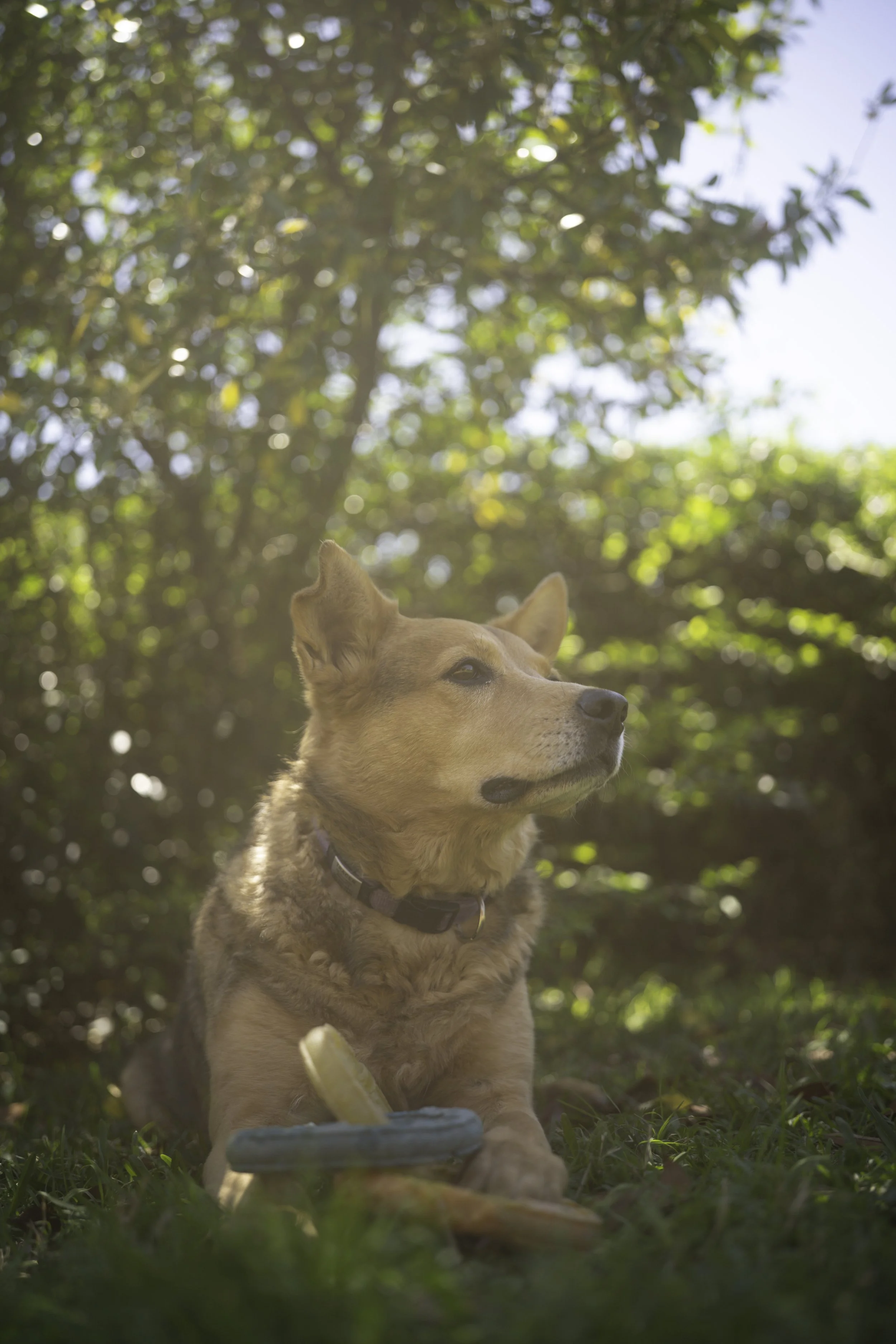
Full-image veiling flare IS possible though I found I had to work to create it, and it was devoid of nasty artifacts
There is one last observation I’d like to mention, though I’d rather not share photos from other lenses in this review, so I’ll simply have to describe it for you. Perhaps I’ll make a 35mm shootout someday and show side by side examples.
I have noticed on both the 85 EVO and now the 35 EVO that the front element coatings that Viltrox is using lead to a slight yellow color cast on every image, no matter what white balance is set to. I first noticed this because my custom Nikon film sim picture controls look markedly “off” when using Viltrox lenses. I decided to start comparing the 35 EVO to the lens I built those film sims against (the Voigtlander 35/2 APO).
Doing A/B sample tests with the Voigtlander helped me immediately identify the culprit…the overall color cast of the EVO line is yellow, leading to color shifts in my JPEG output. This is present even when shooting with Auto0 White Balance, where the camera tries to keep the image cool. Overall, I mitigate this by lowering my RAW file’s white balance by about 200 Kelvin.
While it’s not a deal breaker by any means, it IS noticeable in everyday use. I have talked to some Sony users and they are reporting seeing the same yellowish tint on their Sony images as well, so I’ve very confident in placing the responsibility on the lens coatings. That said, it seems that the cast is very consistent across the EVO line, so you can quite easily make a one-click Lightroom preset to eliminate it on import. Once I have the other EVO copies in hand, I’ll work on creating this myself and posting here.
Image quality verdict: Sharp from wide open, excellent microcontrast from wide open, low distortion, and easily correctable vignette. Chromatic aberration is managed expertly from wide open with little perceptible fringing. Bokeh can be a bit of a mess especially with busy backgrounds or when focus is near MFD. The lens pairs well with the Nikon Z IBIS system for consistently stable results. Lightroom Classic has a supported profile for automatic vignette correction at launch, and manual distortion correction requires a -4 to -6 setting in Lightroom. I noticed that the EVO will meter cooler white balance than my other glass, yet also have just a slight yellow tinge in the image. It’s easy enough to post processes around, but I suspect that comes from Viltrox’s lens coatings causing the camera to meter warmer, and it can make shooting SOOC with Nikon recipes a little unpredictable. Overall light gathering and total possible bokeh is worse than competitors and the lens is closer to an F2.0 in practice.
Conclusion
There is really nothing available for Nikon Z mount quite like the 35 EVO, even though the 35mm space is highly saturated with options from both Nikon and third parties.
Other 35mm lenses in my kit like the Voigtlander 35/2 APO, Sirui 35 Aurora, and ArtraLab 35/1.4 bring very different rendering styles, feature sets, and compromises to the table, and the EVO still manages to carve its own niche in the space…I’m glad to see that, too, because it would have been easy for Viltrox to simply release a “boring” 35mm that had great image quality and nothing else. Given the surging popularing for imperfections, the EVO fires a direct shot at those photographers, providing a tack sharp image with some real character behind the subject. The total lack of chromatic aberration at this price point is shocking and a very real reason to consider this lens.
Viltrox throwing the kitchen sink of premium features at the EVO line is awesome…aperture rings, function buttons, aperture declicking, MF/AF toggles, weather sealing at the mount, USB-C ports for firmware updates…there is really no competitor at this price for such a feature rich lens.
Overall, it’s hard to think you’d go wrong for your $400 here, especially if you want a lens on the smaller size that is easy to travel with. The 35 EVO has proven to be a winner across a variety of subjects, styles, and shooting conditions.
Below is a gallery of images I have taken during my time with the 35 EVO over the last few months, you can click any image to view it full size. My reviews and sample galleries are living beings, growing over time as more samples are captured…check back later for updated examples!
As always, I appreciate you reading my reviews. If you found this helpful, please consider buying me a coffee with the button below so I can fuel up and bring you more content like this.
-Scott