Review - Viltrox AF 55mm F1.8 EVO for Nikon Z
Third time’s the charm for Viltrox with the EVO line
As a bonus to my readers, use coupon code SCOTTTUCKER at the Viltrox store for extra 10% off - click here to shop at Viltrox
Related articles:
Viltrox AF 26mm f2.8 EVO first look
Viltrox AF 28mm f4.5 Chip review
Viltrox AF 35mm f1.8 EVO review
Disclosure: this lens was provided for review free of charge from Viltrox, and they have not had access to this review before publication. This review contains affiliate links for this lens and other accessories.
After reviewing the Viltrox AF 35m F1.8 EVO and finding it to be one of the most unique 35mm lenses on the Z mount, I immediately reached out to Viltrox and asked if they could send along the new 55mm version as well. Having seen how the 35 EVO renders, I had a sneaking suspicion that the 55 EVO might be in an even more compelling position thanks to its added reach, compression, and bokeh abilities, having the same core DNA as the 35 EVO. What I was not expecting was how much more I have ended up liking the 55 EVO over the 35 EVO.
The Lens
Price
$370 USD MSRP, use coupon code “SCOTTTUCKER” for extra 5% off at Viltrox - click here to shop at Viltrox — B&H — Amazon
Tech Specs
385g - 58mm filter thread - 13 elements in 9 groups design - 9 blade aperture - 16.9” Minimum Focus Distance - Stepping autofocus motors - F16 minimum aperture - AF/MF switch - Aperture declick switch - Custom Fn button - Dedicated aperture ring - Rubber gasket at mount
Build Quality and Handling
The EVO line has proven to be a series of lenses with extremely coherent build quality. They are nearly indistinguishable in hand or on the desk, and they each handle identically in the field. The switches on the lens have no slop and feel assured. The function button is a nice height off the lens and has a satisfying click when used. The focus ring, something I don’t use often, has a nice resistance and does not feel loose or too easy to accidentally turn too far.
The 55 EVO has a center of gravity slightly closer to the mount side, and as such balances well on smaller bodies like the Zf. The lens begins to feel small when on a body like the Z8 or Z9. I was happy to see that the Zf with SmallRig grip didn’t tip over to the front when on a table.
The lens features a substantial rubber gasket at the mount and the lens feels nice and snug when mounted as a result. It’s nice to see weather sealing in lenses at this price point!
The mount also features a USB-C port for easy firmware updates. I love this placement as it prevents the port from getting exposed to the elements like some other lenses that include them on the outside of the body.
The front element is surprisingly small in diameter compared to the overall width of the lens, and the filter threading is actually considerably inset and not the full width of the barrel. This allows you to use a fairly thick filter (looking at you, Shortstache) without the thickness of the filter interfering with the hood.
Related to the filter thread, I have settled on a handful of 52mm filter thread lenses over the years and as such, have a number of 52mm filters for those lenses. Because the front element of the 55 EVO is relatively small in diameter compared to the lens on a whole, I was able to easily use a 58 > 52 step down ring and utilize all my 52mm filters on this lens without issue. Unlocking those filters with an $8 step down ring was an exciting revelation!
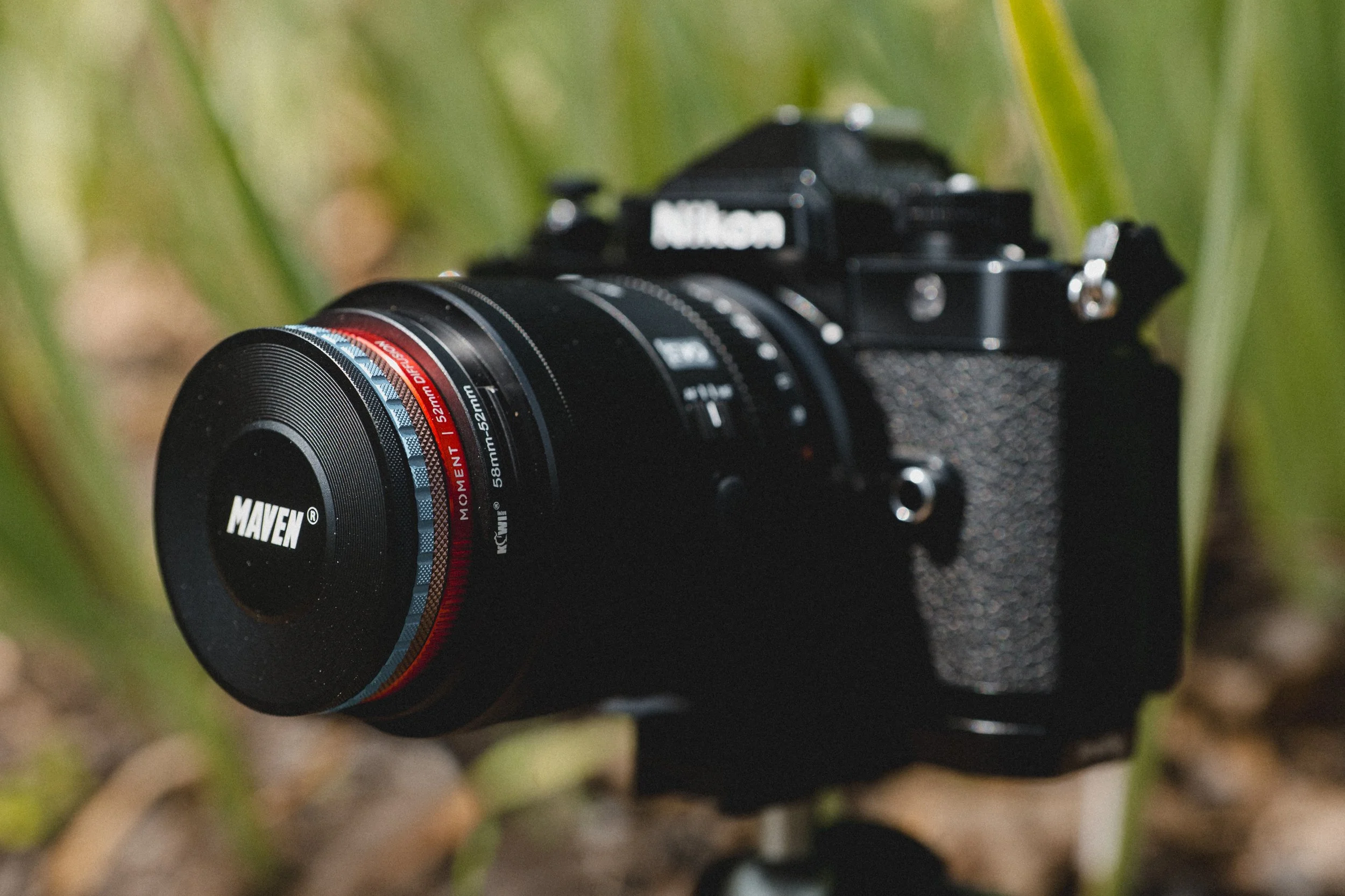
Maybe I went a little too far adapting my 52mm filters, but it’s always fun to try things!
Yes, this filter stack shown above is a little bit absurd, but it’s been fun to play with thanks to the smaller front element of the EVO. I have a Kiwifotos 58 to 52 stepdown ring screwed into the lens, a Moment Cinebloom 10% diffusion filter screwed into the stepdown, a Maven Filters magnetic adapter screwed into the Cinebloom, and a Maven Filters CPL magnetized to the Maven adapter. Quite a Frankenstein’s Monster type rig, but the combo of all of these elements play well with the EVO…a mist filter to soften the clinical sharpness, and a CPL to cut both midday glare and about 1/3 stop of light, allowing for wider aperture shooting during the day. All of this extra length extending from the lens and still not creating extra vignette allows for some novel experimentation.

55 EVO with stacked 52mm 10% Moment Cinebloom and Maven CPL filters
Regarding the hood, I made mention in my 35 EVO review that I was disappointed with the hood’s build quality, as it tended to bind and crossthread unless I was extremely diligent during mounting. I am disappointed to share that the 55 EVO’s hood behaves in the exact same way. There are times that it goes on buttery smooth, but the majority of the time, it stops turning halfway on and I have to fully unseat it and try again. Out of the box, it required a forceful palm-down pressure to get it past the bayonet mount points on the lens. That has resolved with some use, but the binding remains on occasion. Ultimately, I have found that I simply leave the hood mounted at all times to avoid having to interface with it.
Build quality verdict: Feature rich with sure footed and intuitive handling just like the rest of the EVO line, the 55 EVO does not disappoint from a build quality perspective short of the frustrating hood bayonet. The high quality of materials inspires confidence in the hand and in the field. Fit on camera is snug and secure, and switches and rings feel well-weighted and assured.
Autofocus Performance
Just as in the 35 EVO, it remains my opinion that the STM autofocus motors are plenty sufficient for slower subjects but fail to produce a confident hit rate for high speed action where the subject is rapidly approaching or retreating from the lens. AF-S remains the most accurate focus mode for stationary subjects, and AF-C with subject detection works well with posed or slow moving subjects. I found that the lens rarely hunts or racks more than it needed to, even in middling light…the most hunting occured when it was dark enough to require the focus assist light on the camera.
Just like the 35 EVO, once ISO climbs above 1000, the lens will exhibit some pulsing in AF-S, though it is much better controlled on the 55 EVO. I have not updated my 55 EVO past FW 1.10 (which it shipped with), as I have noticed that the 35 EVO firmware updates on Z have only made the pulsating issue worse.
For everyday shooting of slower subjects, I have no complaints about the autofocus, especially when taking the price of the lens into consideration.
Autofocus performance verdict: AF-S on mostly static subjects yields a high hit rate, including with subject detection. AF-C is reliable for slower moving subjects, but consistent AF-C for very fast moving subjects is out of reach for the stepper motors in my testing.
Image Quality
Just like the 35 EVO, the introduction of this new APO optical design featuring 2 high-refractive (HR) index lenses, 2 extra-low dispersion (ED) lenses, and 1 aspherical (APO) lens proves to be a winning formula. Running the same type of tests as I did on the 35 EVO, I found nearly no discernable chromatic aberration at any aperture, an exceptionally impressive feat for a lens under $400. Backlit foliage, chrome details in bright direct sun, and every other usual torture test fail to break this lens. I have seen complaints online since release that both the 35 and 55 EVO lenses display some fringing, and none of the examples that are posted as proof budge my needle…when it’s visible, it is SO faint that it’s not worth talking about. You simply cannot get a lens this well corrected for anywhere near this price anywhere else.
The 55 EVO has an embedded lens profile that corrects for both distortion (to a very small degree) and vignette. Because the lens correction profile is built into the lens, your straight out of camera JPEGs will have these corrections applied by default, as well as having them natively available in Lightroom for RAW files.
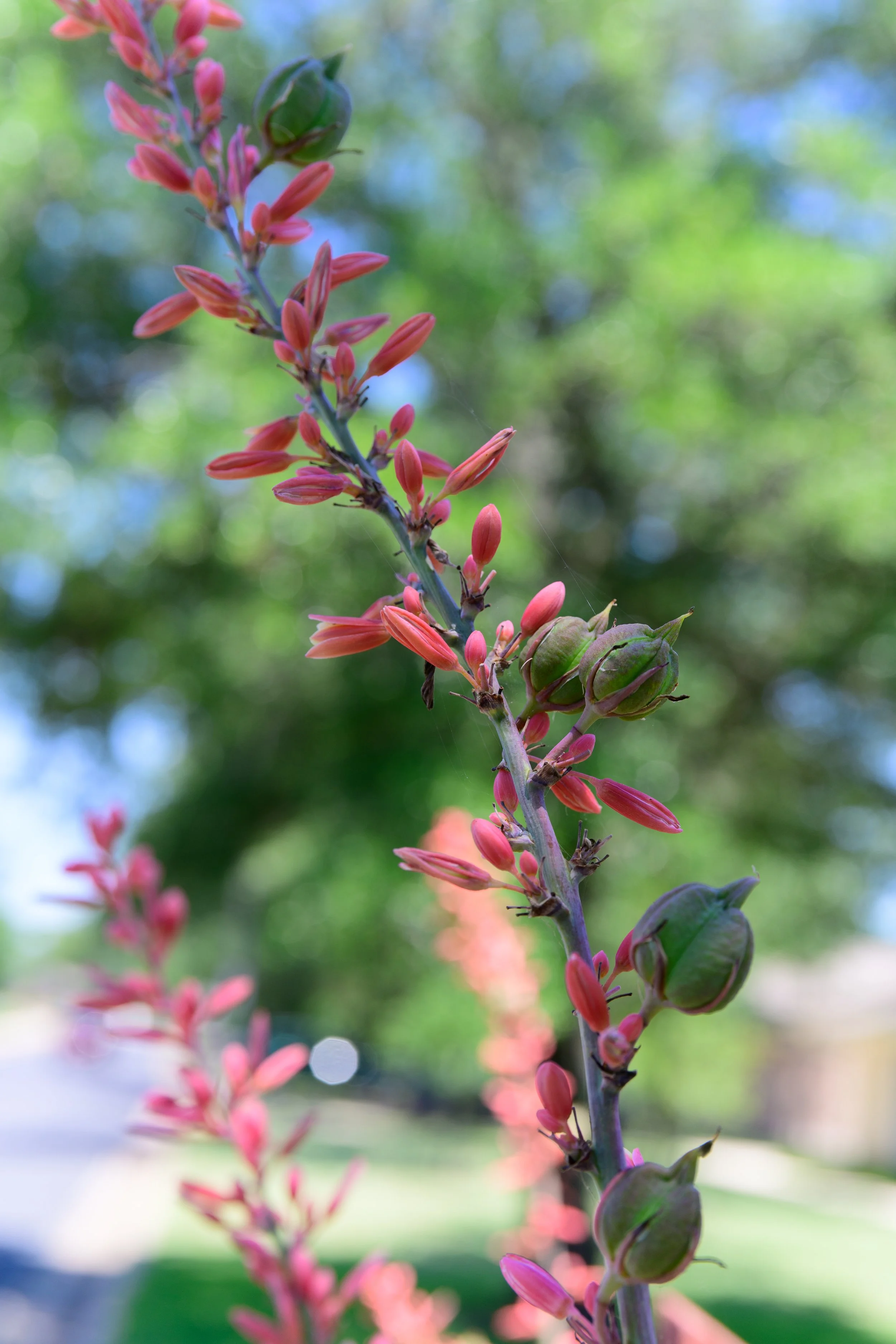
Overall, I found the rendering of the 55 EVO to be a significant step up from the 35 EVO. The 55 EVO maintains circular bokeh shapes farther from the center of image, leading to overall smoother background and more natural and pleasing out of focus areas. My chief complaint of the 35 EVO was the “jittery-ness” of its bokeh. I am so happy to report that those jitters are well tamped down here on the 55 EVO. You still get some cat eyes, but they are towards the edges of the frame, creating less of a swirly effect as the 35 EVO.
The 55 EVO also has a less pronounced “hotspot” in the middle of the frame wide open vs the 35 EVO, with respectable (and easily correctable via Lightroom lens profile) vignetting for such a highly corrected lens.
The 9-bladed-aperture produces some stark nonagonal bokeh from time to time at certain combinations of aperture and background distance with objects displaying bright highlights or glare.
Note the bright white nonagon created by background glare
The 55 EVO exhibits a bit of a barrel distortion. A small adjustment of the distortion slider in Lightroom will fix it right up. While the LR lens correction profile exists, it does not correction distortion enough to my liking. Below is a comparison of default lens corrections applied and not applied to the RAW file.


I compared the 55 EVO to my beloved Voigtlander 50/2 APO-Lanthar, a lens series I have long considered the benchmark for image quality on Z mount. I was shocked to find the 55 EVO outperforming the Voigtlander on every metric at every aperture up to F8. In many ways, the 55 EVO begins to feel like a souped-up Voigtlander that magically has autofocus, all at half the cost. Of course, the Voigtlander’s manual focusing experience is second-to-none, but I always care about the final image more than the handling or focusing experience. In a gear cabinet of rapidly increasing redundancy, the Voigtlander is now on the chopping block. I never thought it would be a Chinese third party lens that would unseat it.
Overall, the 55 EVO provides a rendering entirely outside its price range. It has tack sharpness, a bit of swirl and cats eye at the far edges, excellent color rendition, and almost no discernable aberrations. I have had this lens glued to my Nikon Zf this summer and have been trying to “break” it without any luck.

Taking cat eye to the extreme by warping them in a side mirror selfie
As hard as I tried to get purple CA fringing to show up, this was the most I was able to muster, using a very typical torture test of a water fountain with angular light hitting the rippling surface and spray. I am presenting this as a side by side with two photos - on the left side, we have the unedited RAW to show you the “native” CA in the image and on the right I have moved the saturation slider to 100 to make the band of fringing on the water’s surface brighter purple for easier viewing.


One of the scenarios in which I have seen the 55 EVO consistently excel are scenes with extremely mixed light (hard highlights, especially). The lens does a good job providing a balanced exposure thanks to its non-obtrusive level of vignette.
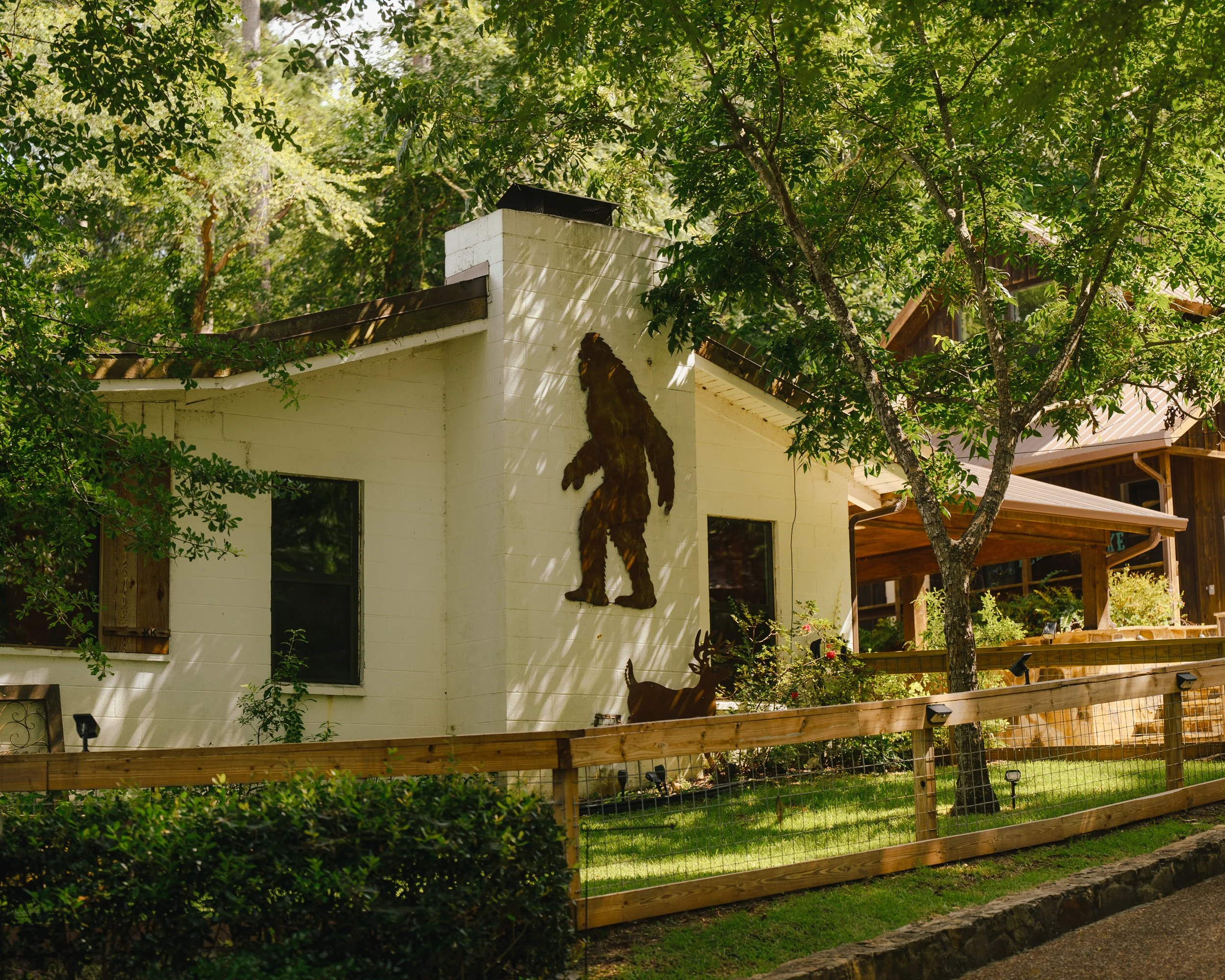
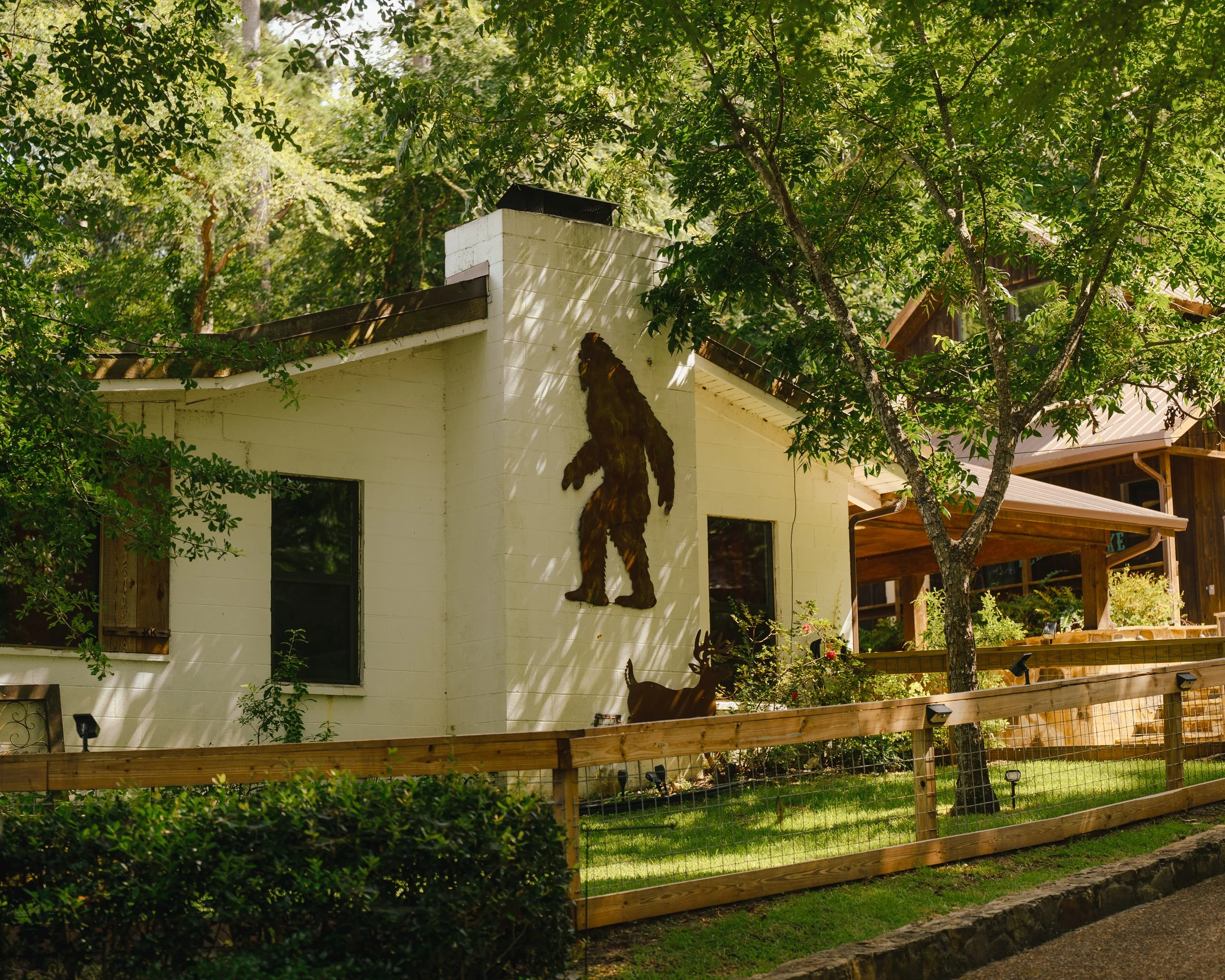
He walks among us
Overall, I have struggled to come up with elements of the 55 EVO’s rendering that I dislike. I love the sharpness, I love the vintage-meets-modern bokeh, I love the colors, and I love the consistent white balance my files have when I shoot on Auto WB.
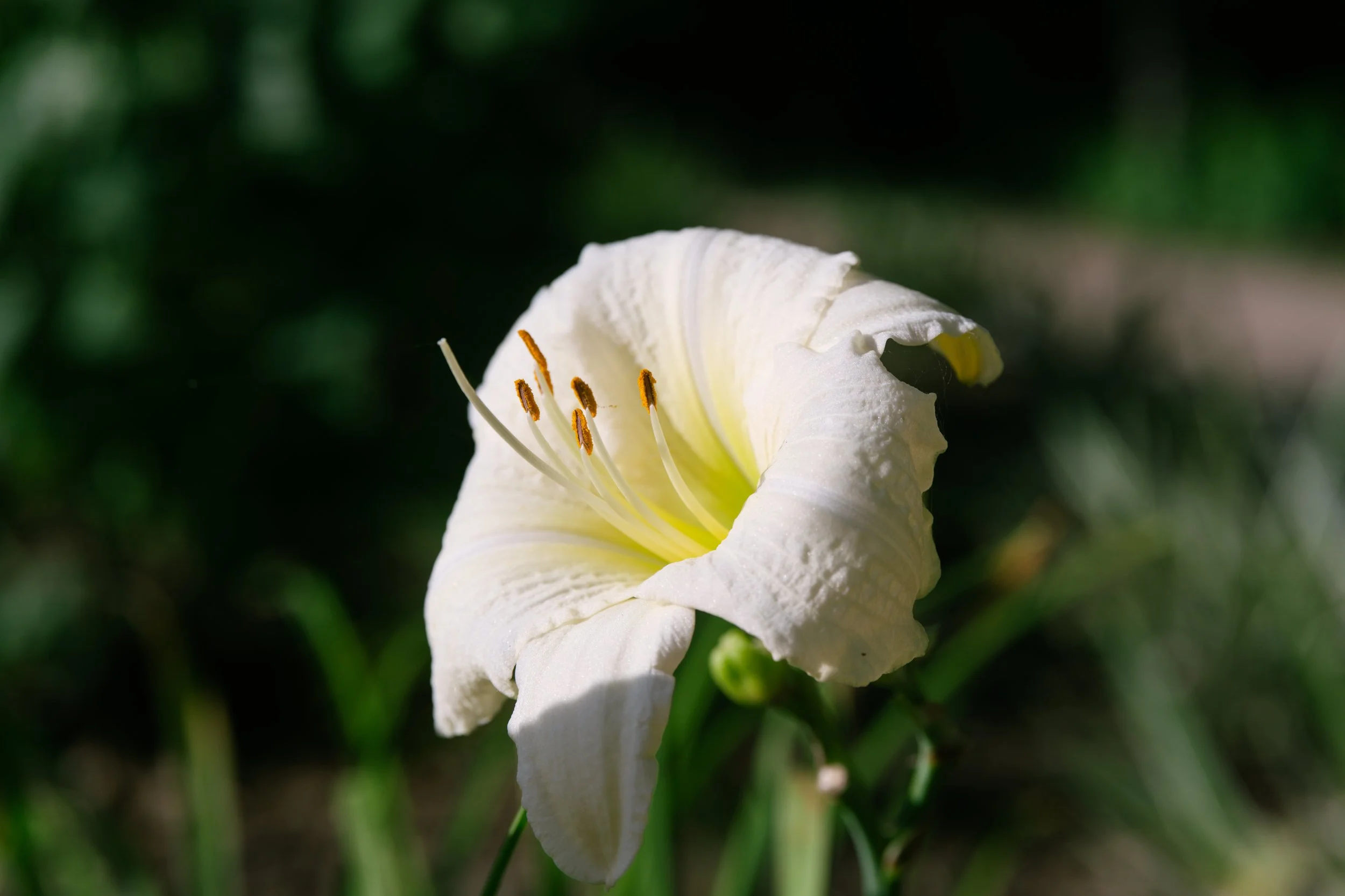
Excellent sharpness in the small details and an even exposure with a white subject, even in harsh late day light.
One last point: in my 35 EVO review, I noted that the 35’s lens coatings tended to render shots overly warm by about 200 to 300 degrees Kelvin. I’m happy to report that I have not found this to be the case on the 55 EVO. In fact, I have taken side by side photos with the 35 and 55 in the same lighting conditions in Auto ISO and watched as the 35 EVO meters consistently warmer. This allows me to use the 55 EVO with my custom Nikon recipes without having to futz with tweaking the white balance constantly, which is VERY welcome!
Image quality verdict: Another winner from Viltrox, and one that pulls ahead of the 35 EVO in my opinion by a not-insignificant amount. Smoother bokeh, less nervous rendering, and equally sparse fringing makes for an extremely compelling lens housed in a small, feature-rich package. At no point did I have the same gut feeling of “I should have brought another lens for this” that the 35 EVO’s nervousness left me with. The 55 EVO proved to be a very capable and consistent performer across a variety of lighting, contrast, and color conditions. The 55 EVO outpaces my previously-held “best-in-class” lens (Voigtlander 50 APO) with impressive ease. The 55 EVO “fixes” the overly warm metering issue I had with the 35 EVO.
Conclusion
After being largely impressed with the 35 EVO, the 55 EVO took my main concern of nervous rendering and threw it out the window. What I was left with was a no-compromise lens that systematically outperforms its price point for any type of shooting but fast action. Having now shot all 3 EVO lenses, the 55 EVO has claimed the title of my favorite. It provides a lovely blend of sharpness, microcontrast, pleasing center bokeh, and just a bit of cat eye swirl on the edges to give it some character. My images with the 55 EVO are generally more well exposed than lenses with a strong vignette or lenses that are less optically corrected, something I really appreciate when it comes time to post process…it’s always easier to add in a bit of character than to try to remove baked-in flaws.
The natural competitor to the 55 EVO is the excellent Nikon 50 f/1.8 S, and for me, it simply comes down to the amount of physical controls you want. Viltrox provides every control you could want, while the Nikon is a more barebones but similarly capable optic with slightly better autofocus. The Viltrox takes the edge in better controlling aberrations, which is impressive when compared to a Nikon S lens. That the Viltrox also beats out the technically excellent Voigtlander 50mm APO-Lanthar is equally impressive.
So far in all of my Viltrox lens tests on Nikon Z, I have tended to settle on another lens that I prefer more as a total package, but this is the first Viltrox to fully cement its place in my kit in its focal length. I am looking forward to shooting this lens more and fully exploring its personality.
The 55 EVO is, in my opinion, the new “nifty fifty” for Nikon Z, the obvious first prime any new shooter should bolt onto their first Z camera, and one that will delight experienced shooters alike.
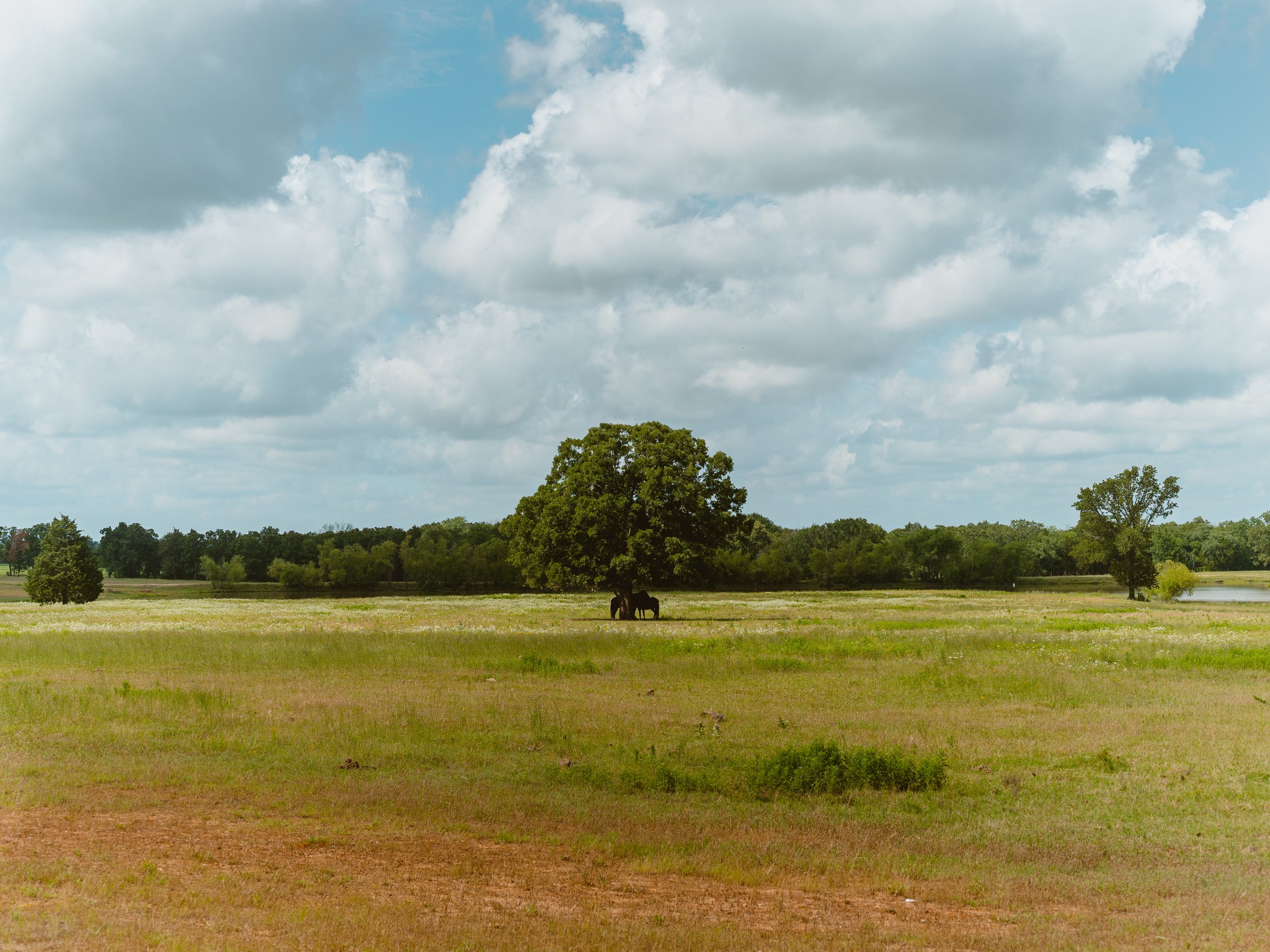
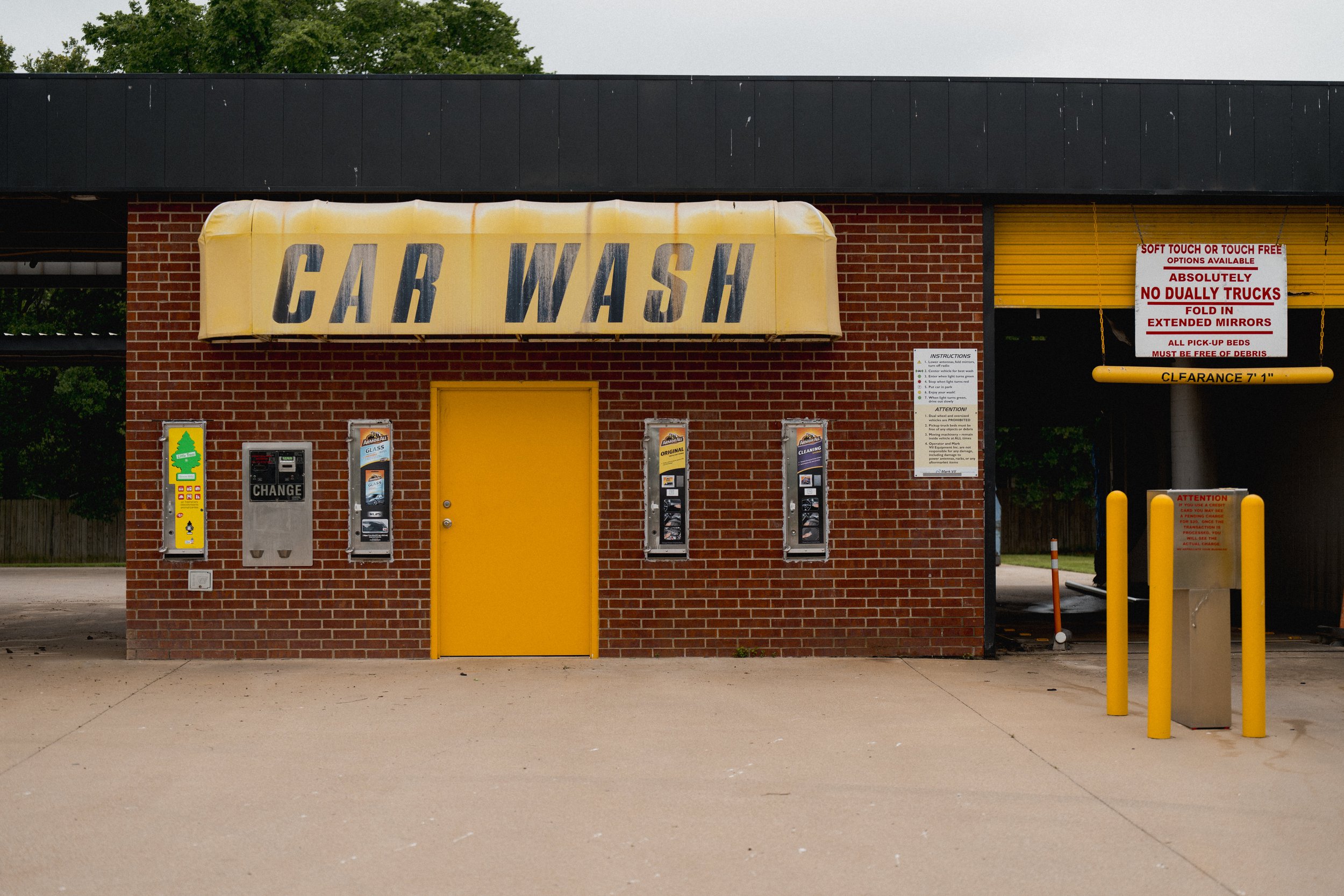
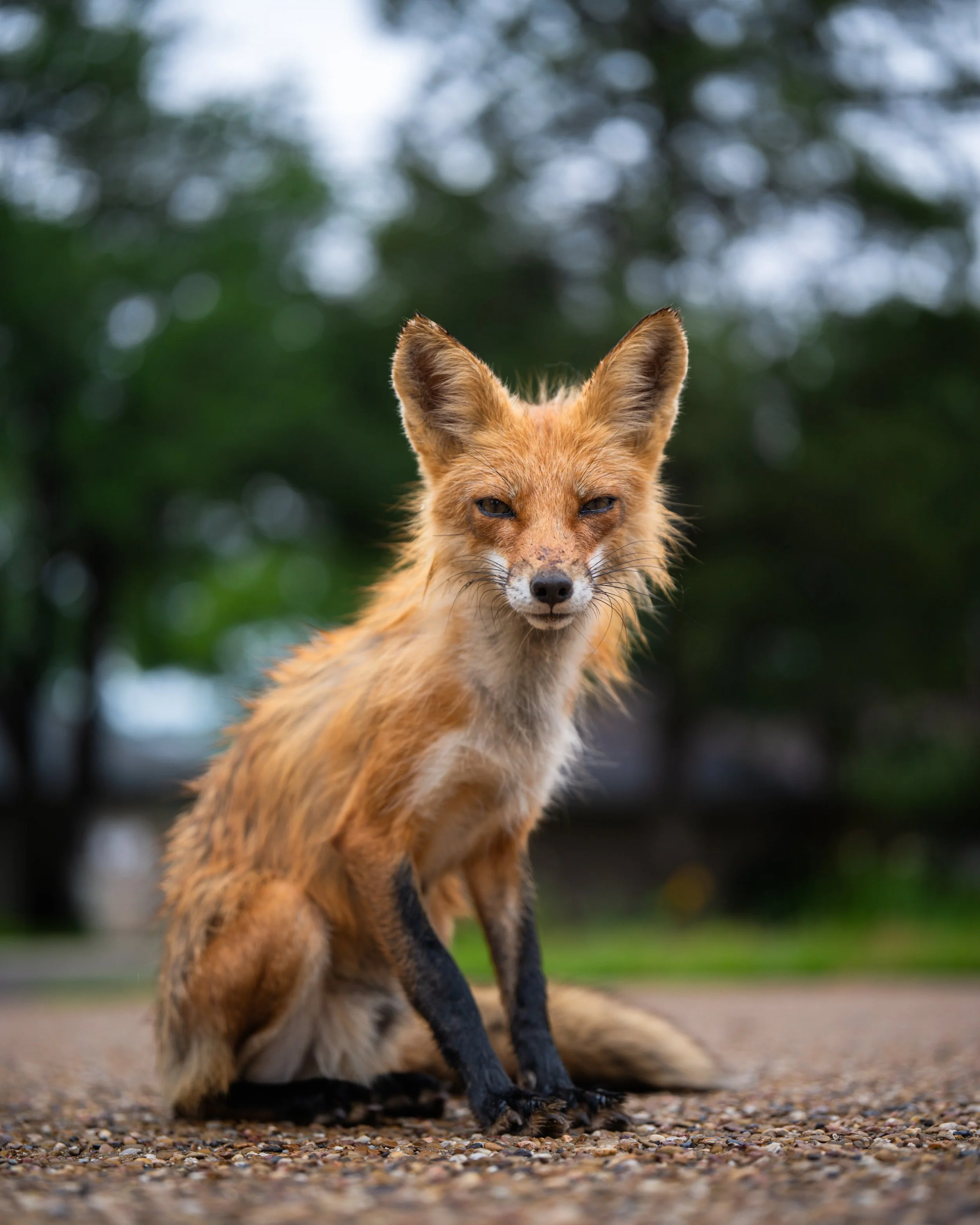
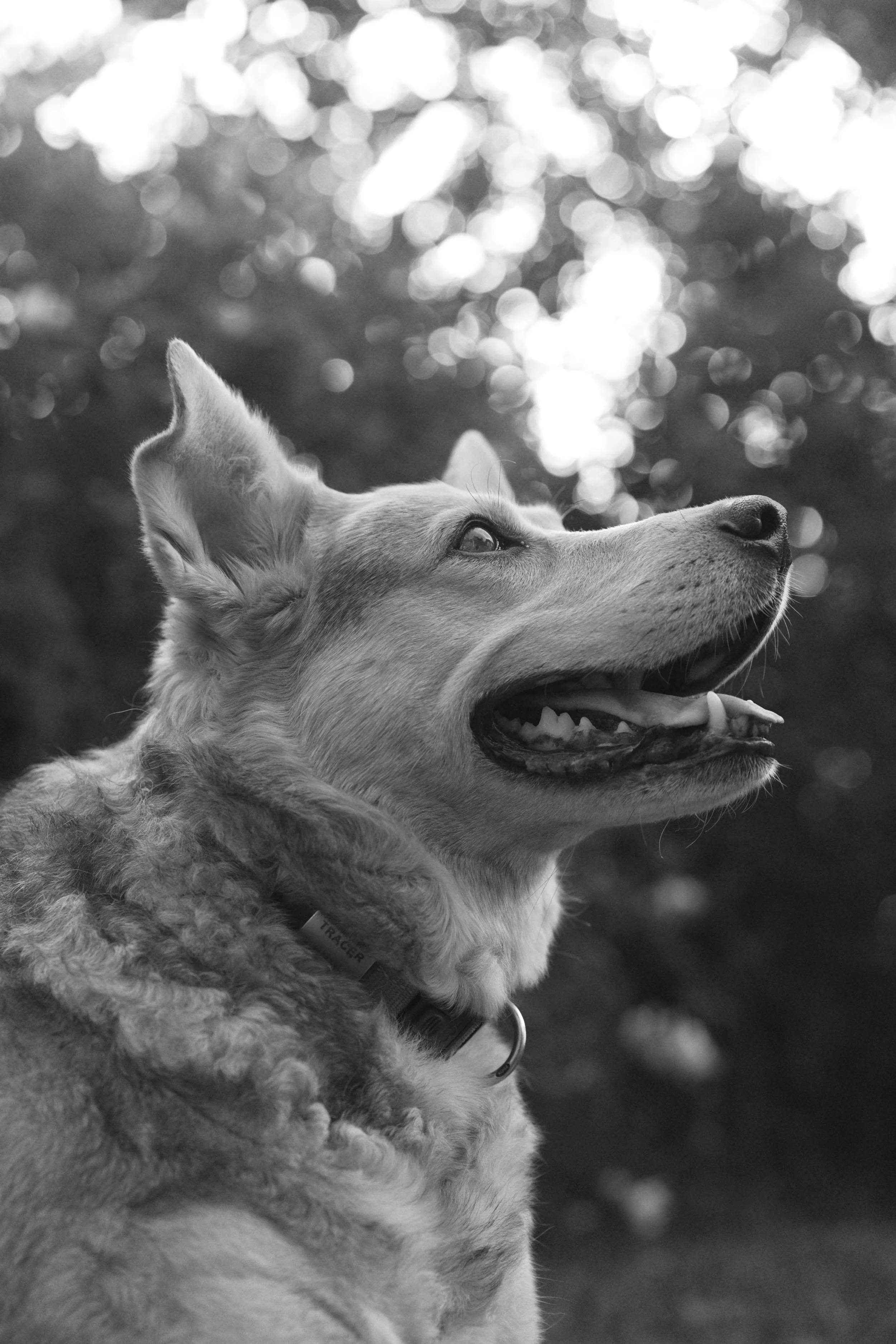
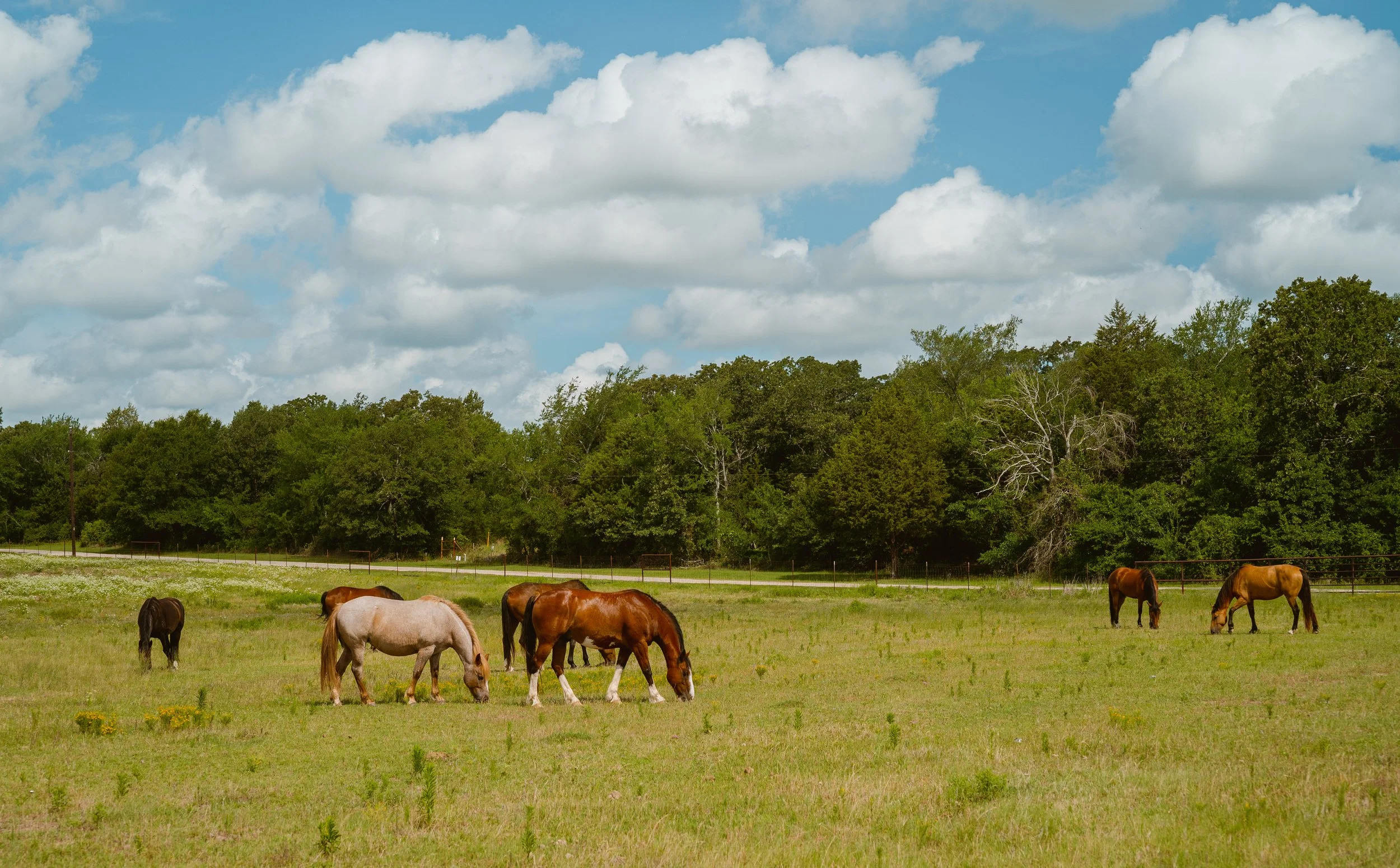
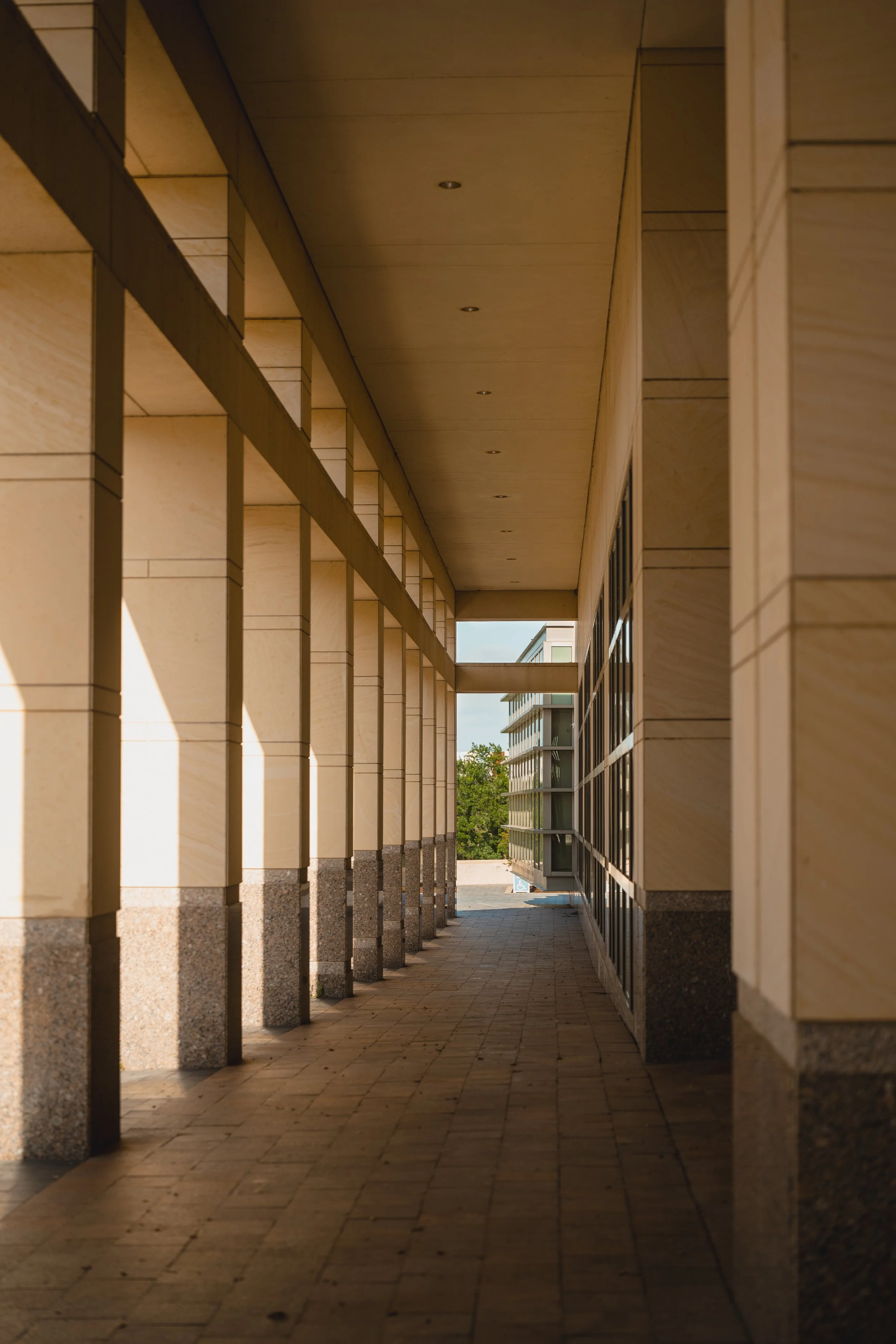
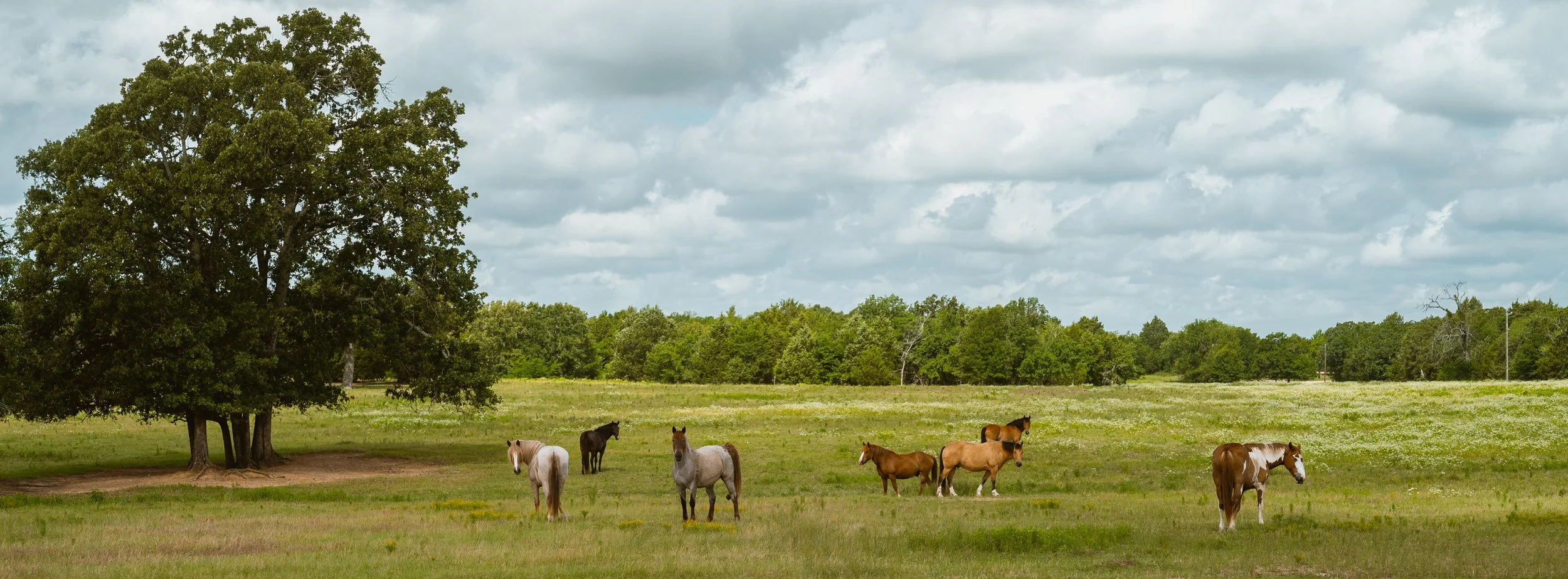
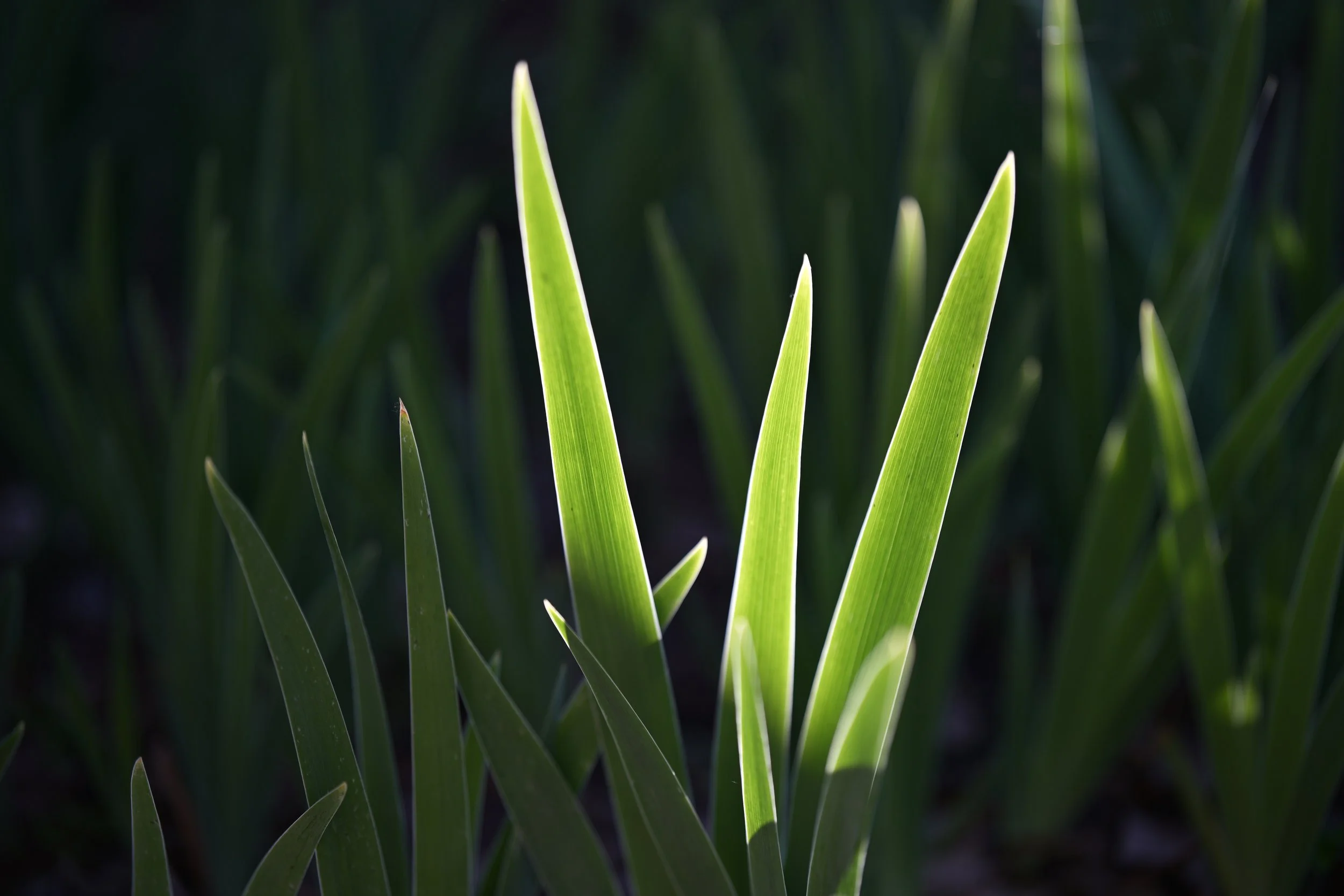
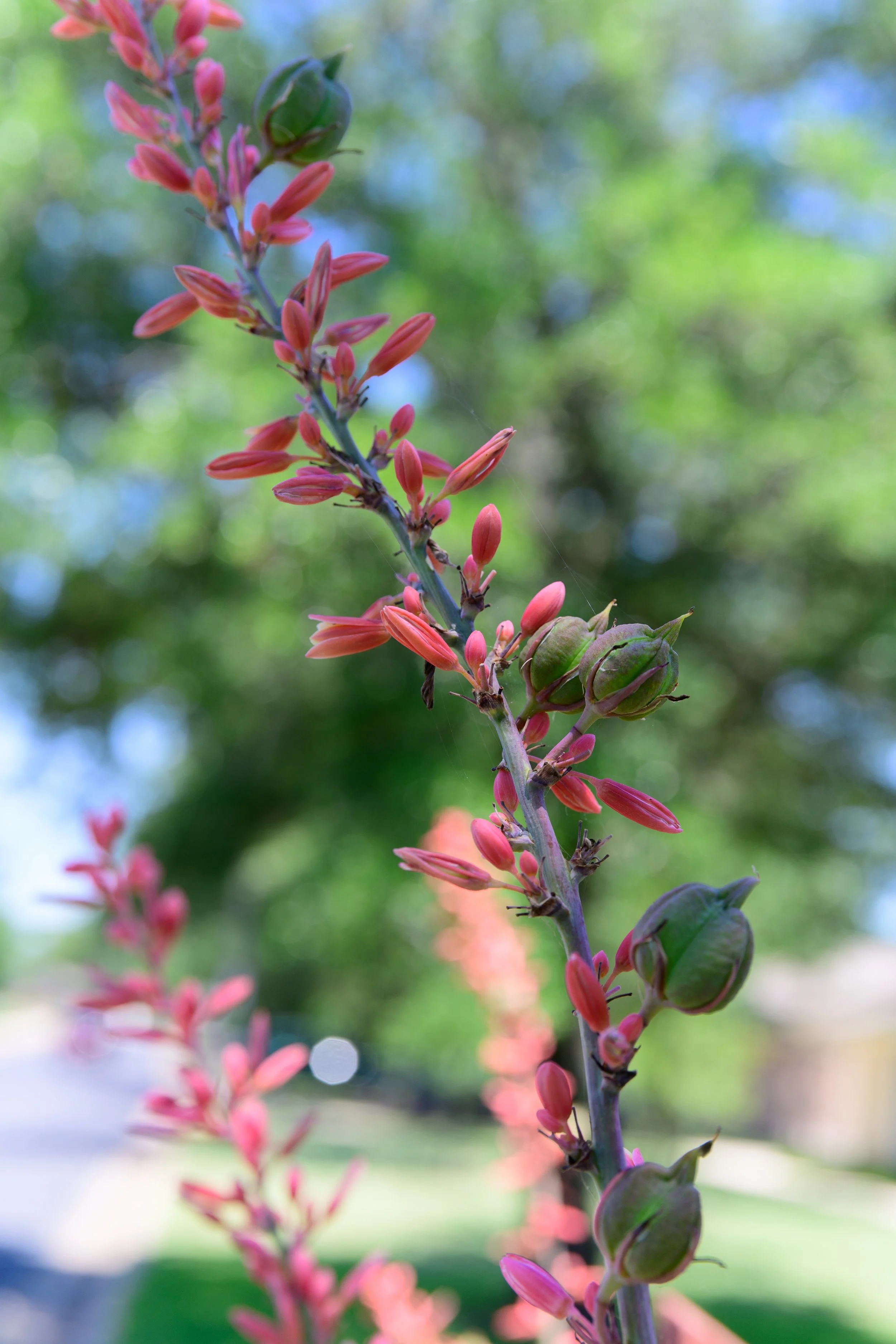
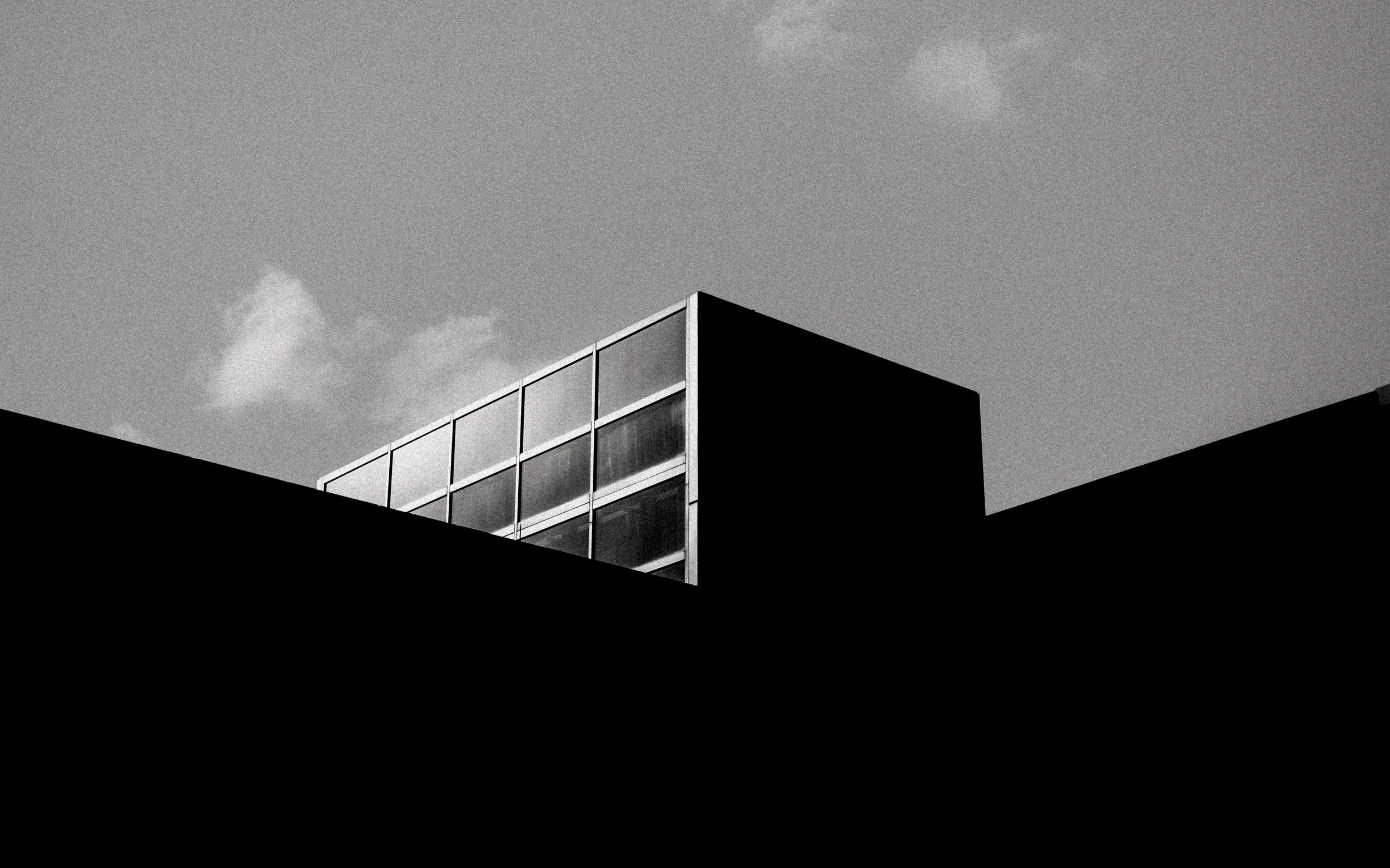
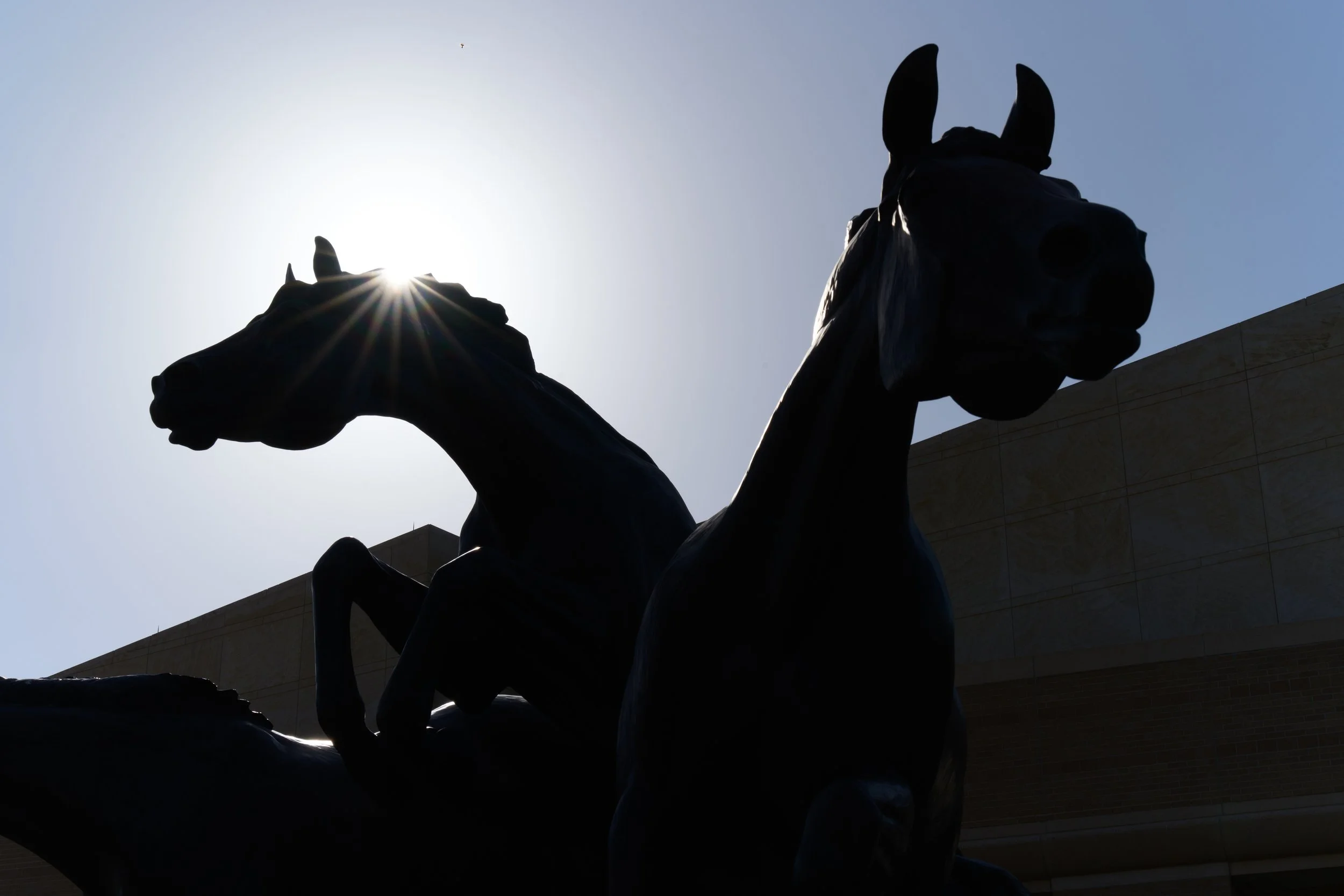
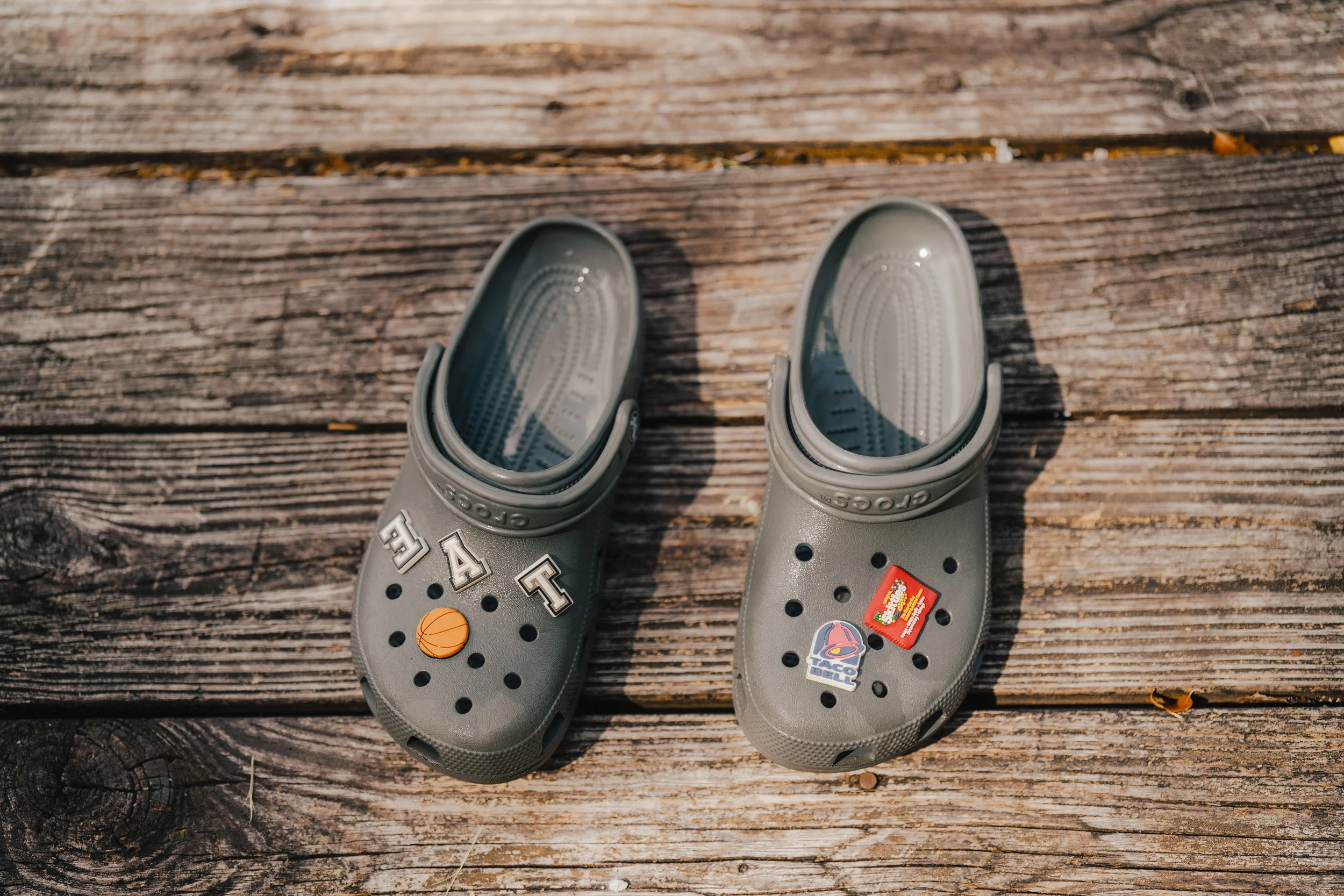
Below is a gallery of images I have taken during my time with the 55 EVO over the last few months, you can click any image to view it full size. My reviews and sample galleries are living beings, growing over time as more samples are captured…check back later for updated examples!
As always, I appreciate you reading my reviews. If you found this helpful, please consider buying me a coffee with the button below so I can fuel up and bring you more content like this.
-Scott